85 Mansion Blvd Parkersburg, WV 26101
E-mail us: [email protected]
MONDAY-FRIDAY 7AM - 4PM EMERGENSIES BASED ON AVAILABILITY

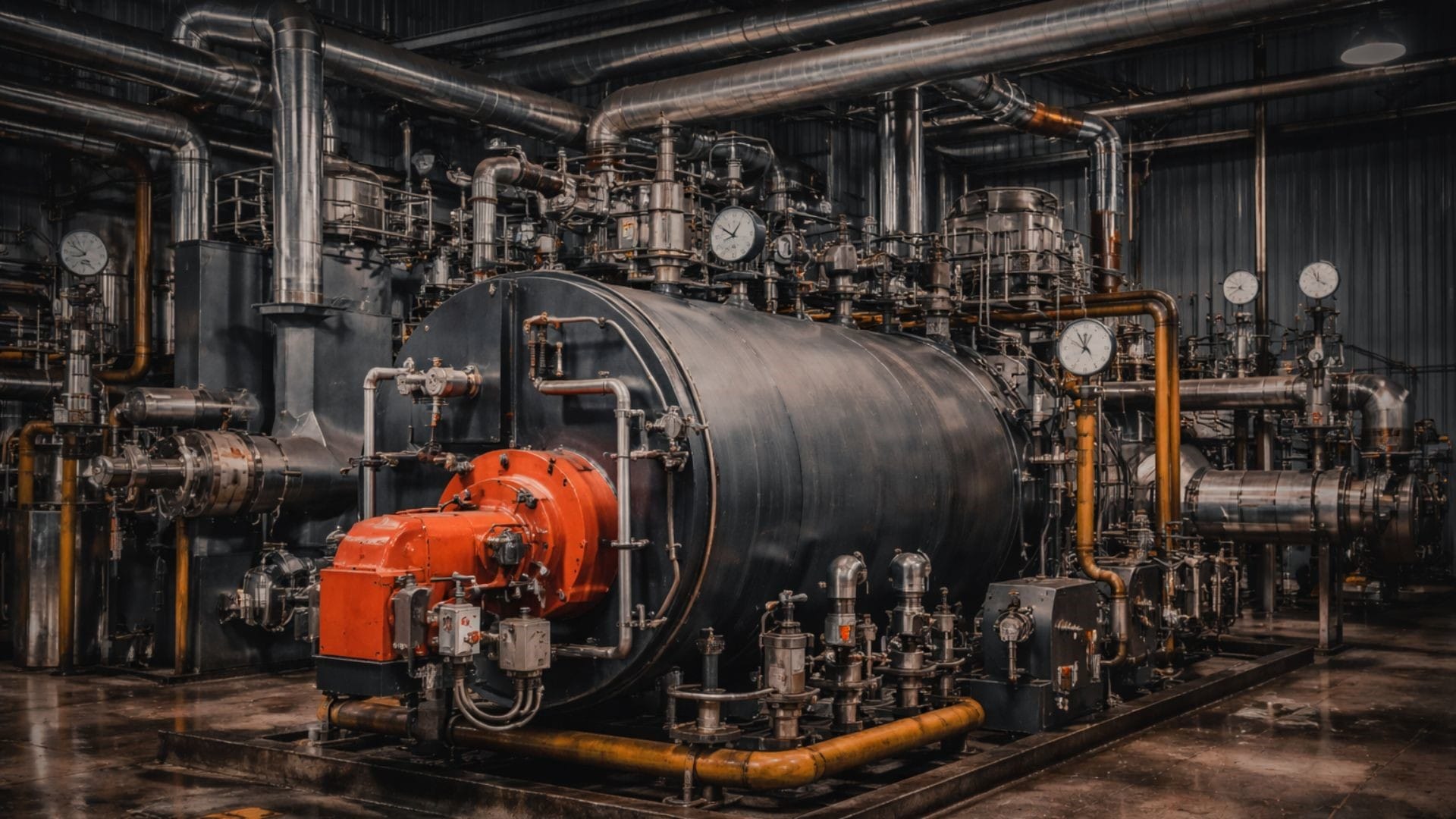
How often should commercial boilers be maintained? The truth is, many people don’t care about something until it breaks. This is just the truth about how people operate. A facility manager is responsible for making sure everything is working properly. Since the job is pretty busy, full of putting out fires, literally and figuratively. So if the boiler is running and making heat, sometimes it can go unnoticed. But waiting for a breakdown is one of the most expensive mistakes you can make. If your boiler breaks down in the middle of winter, you have zero leverage. You can’t stop around for the best price on a repair. And that is where commercial boiler maintenance comes in handy.
You need to call someone who has professional experience; otherwise, there can be massive damage to other parts of the system as well. And if the boiler is old and the repair is massive, you might be forced into buying a new boiler. A commercial boiler is different from residential water heaters; it’s a sophisticated machine with burners, controls, pumps, valves, and heat exchangers. Professional commercial boiler maintenance services help building owners and managers prevent these unexpected incidents and control energy costs.
Routine inspections, performance checks, and preventive serving ensures commercial boilers remain safe, efficient, and reliable even in the harshest weather conditions. C&C Wirth Contractors has helped businesses across Ohio maintain commercial heating systems for decades. We are sharing a complete commercial boiler maintenance checklist to help you keep your system operating safely and efficiently.
You probably already know that maintenance is somewhat important, but the reality is that its importance is actually much greater than we realise. You might think, “yeah, yeah, I know I should get it checked every once in a while.” But NO, the consequences of ignoring it, and the benefits of staying on top of it, are both bigger than what’s in your head right now. To make it simple, think about what the heart does in the human body. It pumps blood and keeps everything alive. If the heart stops, everything else stops too. That’s exactly what commercial boiler maintenance does for a building when it comes to managing business operations. They provide heating and hot water for facilities like hotels, hospitals, apartments, complexes,s and schools. Ignoring routine maintenance can have serious consequences.
Safety is a non-negotiable part of boiler maintenance. These are powerful machines containing extreme heat and force. High pressure and high temperature mean any failure can be violent and dangerous. Safety devices usually tend to sit idle for months or years, and they can corrode, seize up, or stop working without anyone noticing. An untested safety device is really just a guess that everything is fine.
Here are things that can go wrong when safety components aren’t checked:
A maintenance technician tests every safety component to confirm that it works. This is how you move from hoping nothing goes wrong to knowing nothing will.
It’s all about getting your money’s worth out of the boiler. You paid a lot for it, so you want it to last as long as possible. A commercial boiler costs tens of thousands of dollars to install, sometimes more. This isn’t a piece of equipment you want to replace every few years. A well-maintained boiler is a long-term asset. Twenty years of reliable service means you’re spreading that initial cost over two decades instead of constantly buying new equipment.
So what happens is that corrosion eats away at metal from the inside. Overheating weakens the steel and causes cracks. Scale buildup acts like insulation, trapping heat and destroying efficiency. A technician catching a minor leak or a bit of scale early means you just need a simple fix. Missing those issues would definitely turn into a cracked heat exchanger or a failed tube sheet, and then you’re gonna have to buy a new boiler.
Even a small amount of scale inside a boiler can act like insulation between the heat source and water. This reduces efficiency and forces the system to burn more fuel to maintain the same temperature.
You can not maintain something you don’t understand. So read this section carefully to understand the basic knowledge you need before starting with maintenance tasks. You wouldn’t hand someone news to your building without showing them where things are. The same ideas are applied here as well. Knowing what your boiler is made of helps you understand why each maintenance task matters and what technicians are actually doing when they work on it.
There are different kinds of boilers out there. The type you have determines how it works, what fuels it uses, and what maintenance it needs. Different businesses need different boiler designs. A small office building needs something different from a hospital. An apartment complex built in 1970 has different requirements than new construction. The design choices come down to how much heat you need, how much space you have, and how much efficiency you’re willing to pay for upfront to save on fuel later.
| Boiler Type | Common Applications |
| Fire-tube boilers | Hotels, small commercial buildings |
| Water-tube boilers | Industrial facilities |
| Cast iron boilers | Schools and older buildings |
| Condensing boilers | Modern high-efficiency buildings |
Each boiler type has slightly different maintenance procedures, but the core principles remain the same.
You don’t need to be a boiler engineer, but knowing these names and what they do means you can spot problems early and sound smart when talking to your service technician. Every single part on this list needs eyes on it regularly because if any one of them fails, it will hinder your operations.
When you know what these parts do, you can connect symptoms to causes. Weird noise probably means the pump or burner. Fluctuating temperature probably means the sensor or the control. Puddles on the floor probably mean pressure relief or a leak. You can catch it earlier because you know what to look for.
An effective commercial boiler maintenance program in Ohio has regular inspections that are done on a daily, monthly, quarterly, and annual basis.
Dividing tasks into small steps will assist in avoiding sudden system failures.
These are short-term checks, mostly taking a few minutes and capable of averting severe problems.
Routine checks include:
Having a detailed logbook can enable the facility managers to monitor the performance trends and identify slow changes in the process before they eventually turn out to be a significant problem.
As a preventive maintenance program, daily inspections are often suggested so that conditions of the systems can be observed and abnormalities detected at early stages.
Tighter monthly inspections can be conducted and can include engineers or maintenance personnel of the facilities.
Activities every month usually involve:
Clean the internals of the burner.
Checking igniting electrodes.
Checking flame stability
Checking of electrical connections.
Observing the system of blockages venting.
Testing safety shutoff controls.
Monitoring boiler water chemistry.
Incorrect water treatment will be disastrous since untreated water may lead to corrosion, the formation of scales, and decreased transfer of heat.
| Parameter | Recommended Range | Importance |
| pH Level | 7.0 – 9.5 | Prevents corrosion |
| Hardness | <20 ppm | Prevents scale buildup |
| Dissolved Oxygen | Very low | Prevents pitting corrosion |
| Total Dissolved Solids | <3500 ppm | Prevents foaming |
Monitoring these values helps maintain system efficiency and prevent long term damages.
Every quarter, a professional will be required to perform various duties on your boiler using various equipment. Some of the duties include:
– Cleaning the surfaces of the heat exchangers
– Checking the performance of the burner
– Checking and adjusting temperature and pressure controls
– Checking pumps and greasing bearings
– Checking safety relief valves
– Checking fuel supply lines and filters
– Checking the insulation on the combustion chamber
These duties will ensure your boiler is in good condition during the winter season.
Some of the duties that might take place during this inspection include:
– Internal inspection of the boiler
– Ultrasonic thickness testing
– Tuning burner efficiency
– Testing safety controls
– Vent inspection
– Inspection of blowdown systems
– Checking maintenance records
This will ensure your boiler is in good condition for use during the next season.
Commercial boilers are the backbone of many businesses across Ohio and worldwide. When they fail, the consequences are usually very frequent and expensive. However, most of the incidents are preventable with the pre-planned maintenance programs. Routine inspection, water treatment monitoring, burner tuning, and safety testing ensure boilers operate safely and efficiently throughout the year.
So don’t wait until your boiler breaks down in winter. Contact C&C Wirth Contractors today to schedule your commercial boiler maintenance.
Commercial boilers should be serviced at least once a year, but daily, monthly, and quarterly inspections should be made to monitor the performance of the boilers.
The most common signs that a commercial boiler may need some maintenance include unusual noises, increased bills, and leaks in the system.
Maintaining a boiler helps save money because cleaning the burners and removing scales helps the boiler run efficiently, thus saving money.
A commercial boiler should last at least 20 years if properly maintained and inspected.