85 Mansion Blvd Parkersburg, WV 26101
E-mail us: [email protected]
MONDAY-FRIDAY 7AM - 4PM EMERGENSIES BASED ON AVAILABILITY

Bathroom plumbing problems rarely begin with a loud warning or a sudden flood. In most homes, bathroom plumbing problems develop quietly, accumulating over time through small habits that seem harmless at the moment. What goes down the drain, what gets flushed, and how fixtures are used all leave a lasting impact on pipes hidden behind walls and beneath floors. Over time, these everyday actions accumulate, turning simple routines into costly repairs and unexpected emergencies.
Modern bathrooms are designed for convenience, not abuse. When daily habits conflict with how plumbing systems actually work, damage becomes inevitable. Understanding where things go wrong is the first step toward preventing serious pipe failures, backups, and water damage.
Many homeowners assume plumbing failures are sudden or unavoidable. In reality, most shower and toilet plumbing issues are the result of repeated stress placed on pipes. Plumbing systems are engineered to handle water, human waste, and toilet paper, nothing more.
Each time foreign materials enter the system, they add resistance, restrict flow, and strain pipe joints. These stresses do not always cause immediate problems, which is why bathroom plumbing mistakes often go unnoticed until damage is already extensive.
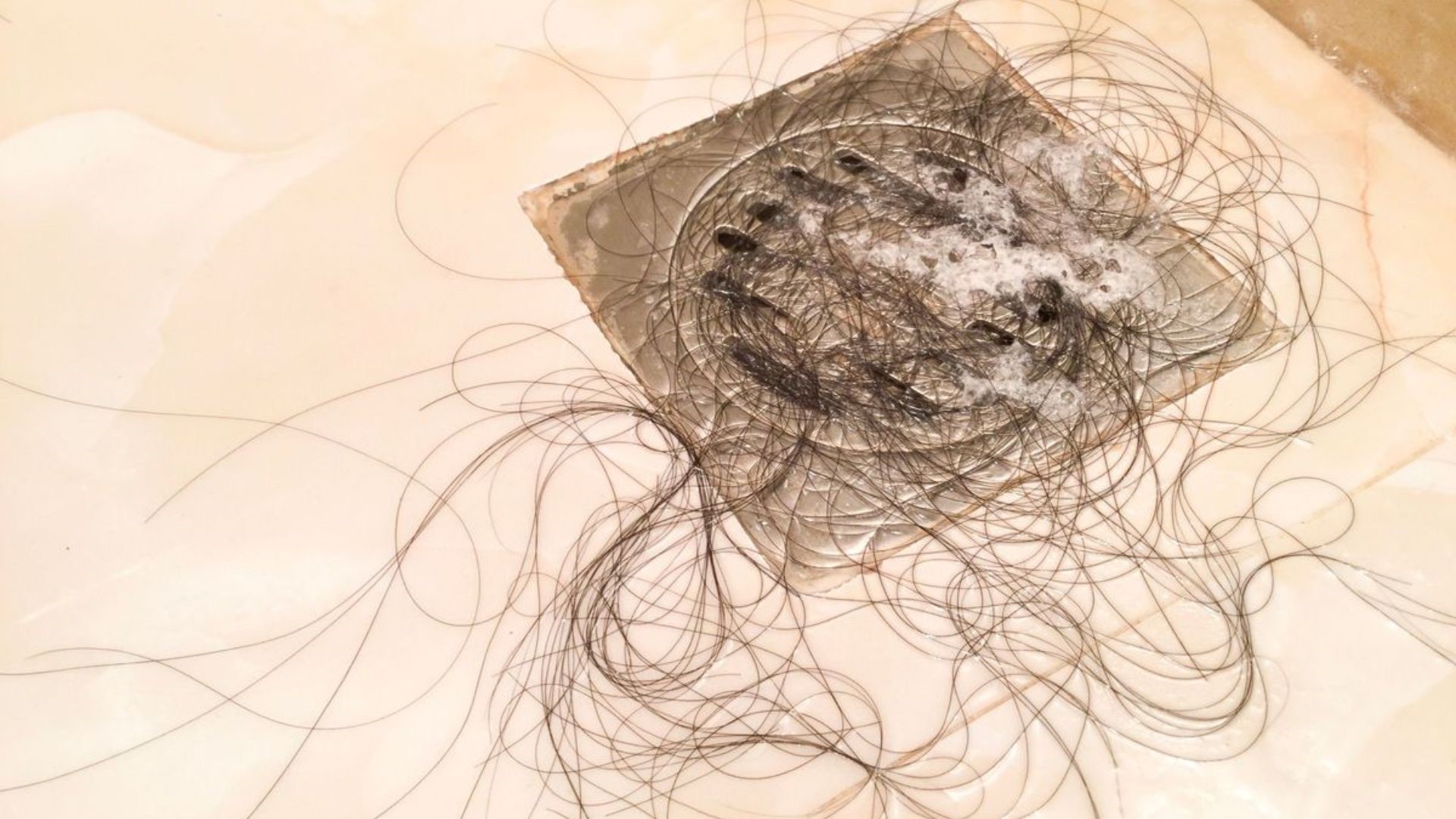
Hair is one of the most common contributors to clogged bathroom drains. During showers, loose hair binds with soap residue, shampoo buildup, and mineral deposits. What starts as a few strands quickly becomes a dense mass clinging to drain walls.
As water struggles to pass through these blockages, pressure builds inside the pipes. Over time, this pressure contributes to pipe damage from bathroom use, especially in older plumbing systems with narrow or corroded lines.
Many homeowners rely on chemical drain cleaners, but these harsh solutions often worsen the problem. Chemicals eat away at pipe linings while leaving hair clogs partially intact, increasing long-term damage.
Liquid soap may seem harmless, but soap scum behaves differently once inside pipes. When soap mixes with minerals in hard water, it forms a sticky residue that coats the interior of pipes. This residue traps hair, dirt, and debris, causing clogged bathroom drains to accelerate.
Body washes, conditioners, exfoliating scrubs, and bath oils contribute even more buildup. Over time, pipes become narrower, flow slows, and backups become frequent. These bathroom plumbing problems develop gradually, making them easy to ignore until drainage becomes severely restricted.
Toilets are not trash cans, yet many households treat them as such. Flushing wipes, cotton pads, feminine hygiene products, dental floss, or paper towels introduces materials that do not break down in water.
Even products labeled as “flushable” often fail to dissolve properly. These materials catch inside pipes, forming blockages that disrupt sewer flow. Repeated flushing of non-flushable items is a leading cause of shower and toilet plumbing issues that result in backups and overflows.
Once these items lodge in bends or joints, removing them often requires professional intervention.
Although grease is more commonly associated with kitchen plumbing, bathroom sinks are not immune. Some households rinse oily products, waxes, or cosmetic residues down bathroom drains without realizing the impact.
As grease cools, it hardens and adheres to pipe walls. Hair and soap cling to this sticky layer, accelerating clog formation. Over time, these deposits create severe obstructions that contribute to long-term bathroom plumbing problems and expensive repairs.
Slow drainage is often dismissed as a nuisance rather than a warning sign. However, sluggish water flow is one of the earliest indicators of internal pipe stress.
When water drains slowly, it means resistance is already present. Ignoring this signal allows clogs to grow larger and more difficult to remove. What could have been resolved with simple maintenance often escalates into pipe damage from bathroom use that affects multiple fixtures.
Early intervention is critical to preventing complete blockages and system failure.
While toilet paper is designed to dissolve, excessive use can overwhelm plumbing systems. This is particularly problematic in older homes with narrow drain lines or low-flow toilets.
Large amounts of paper accumulate quickly, especially when combined with foreign materials. These buildups restrict flow and create pressure points that weaken pipe joints over time. Repeated stress of this kind is a common contributor to bathroom plumbing mistakes that lead to backups.
Hard water contains minerals that gradually settle inside pipes. These deposits narrow internal diameters and reduce water pressure. Showerheads clog, drains slow, and valves become stiff or unresponsive.
Mineral buildup worsens other bathroom plumbing problems by providing surfaces where debris can cling more easily. Without routine maintenance, these deposits harden and become extremely difficult to remove.
Drain covers are designed to catch debris before it enters pipes, yet many homeowners fail to clean them regularly. When debris piles up, water overflows and pushes material past the cover, sending it deeper into the plumbing system.
This habit defeats the purpose of drain protection and contributes to clogged bathroom drains that form further down the line, where removal is more complex and invasive.
Bathrooms produce high levels of humidity. Without proper ventilation, moisture lingers and accelerates pipe corrosion, especially in metal systems. Corroded pipes weaken over time, increasing the risk of leaks and structural failure.
Moist environments also encourage mold growth, which can conceal plumbing leaks until significant damage has already occurred. Poor ventilation indirectly contributes to bathroom plumbing problems that affect both pipes and surrounding structures.
Quick, do-it-yourself fixes can seem like an easy way to solve minor bathroom issues, but they often create bigger problems over time. Improperly installed fittings, mismatched pipe materials, and overtightened connections put extra stress on plumbing lines and joints. What appears secure on the surface may actually be weakening the system behind the walls.
Many bathroom plumbing mistakes come from good intentions rather than negligence. Temporary seals, incorrect parts, or rushed installations may work briefly, but they rarely withstand daily water pressure and temperature changes. When these fixes fail, they often result in leaks, hidden pipe damage, and water intrusion that requires far more extensive and costly repairs than the original issue.
Overlooking small bathroom issues may seem harmless at first, but plumbing problems have a way of escalating quietly. A slow drain or occasional gurgle often signals deeper trouble forming inside the pipes. Left unresolved, these minor concerns can progress into serious failures such as collapsed pipes, sewer backups, or water seeping into walls and flooring.
Bathroom plumbing problems rarely remain isolated to one fixture or room. Once water escapes the system, it spreads quickly, damaging tiles, subfloors, drywall, insulation, and even structural framing. Mold growth and long-term moisture exposure add further risk, increasing repair costs and health concerns. What could have been a simple fix often turns into a costly restoration project, making early attention not just practical, but essential.
Protecting your plumbing system does not require major changes or constant monitoring. Small habits, such as regularly removing hair from drains, flushing only appropriate materials, and addressing slow drainage as soon as it appears, can greatly reduce strain on pipes and fixtures. These simple actions help prevent buildup, pressure imbalances, and hidden blockages that often lead to costly repairs.
When homeowners understand how daily routines affect their plumbing, they are better equipped to prevent damage before it starts. Awareness encourages early intervention, reduces the risk of sudden failures, and helps maintain the overall health of the system. Over time, these mindful habits can extend the lifespan of pipes and minimize unexpected disruptions.
Even with good daily habits, some plumbing issues go beyond what routine care can prevent. Ongoing slow drains, repeated backups, unpleasant odors, or unexplained water stains are often warning signs of deeper problems within the system. These symptoms suggest issues such as hidden blockages, deteriorating pipes, or improper drainage that cannot be resolved with surface-level fixes.
Professional inspections allow trained plumbers to uncover problems that are not visible to the eye. Using specialized tools, they can detect corrosion, pipe misalignment, and buildup deep within the system before it turns into a major failure. Addressing these concerns early helps protect the plumbing infrastructure, prevents widespread damage, and preserves the integrity of the home.
Bathroom plumbing problems are rarely the result of a single mistake. They develop through repeated habits that slowly strain pipes beyond their limits. From hair buildup and soap residue to improper flushing and neglected maintenance, everyday actions play a critical role in plumbing health.
Homeowners who stay informed, practice mindful usage, and respond promptly to warning signs can prevent many common failures. When deeper issues arise, working with experienced professionals ensures repairs are handled correctly and safely.
C&C Wirth Contractors understands how daily household habits impact plumbing systems over time. Their expertise in diagnosing and resolving bathroom plumbing issues helps homeowners protect their properties, avoid costly damage, and maintain reliable plumbing for years to come.