85 Mansion Blvd Parkersburg, WV 26101
E-mail us: [email protected]
MONDAY-FRIDAY 7AM - 4PM EMERGENSIES BASED ON AVAILABILITY

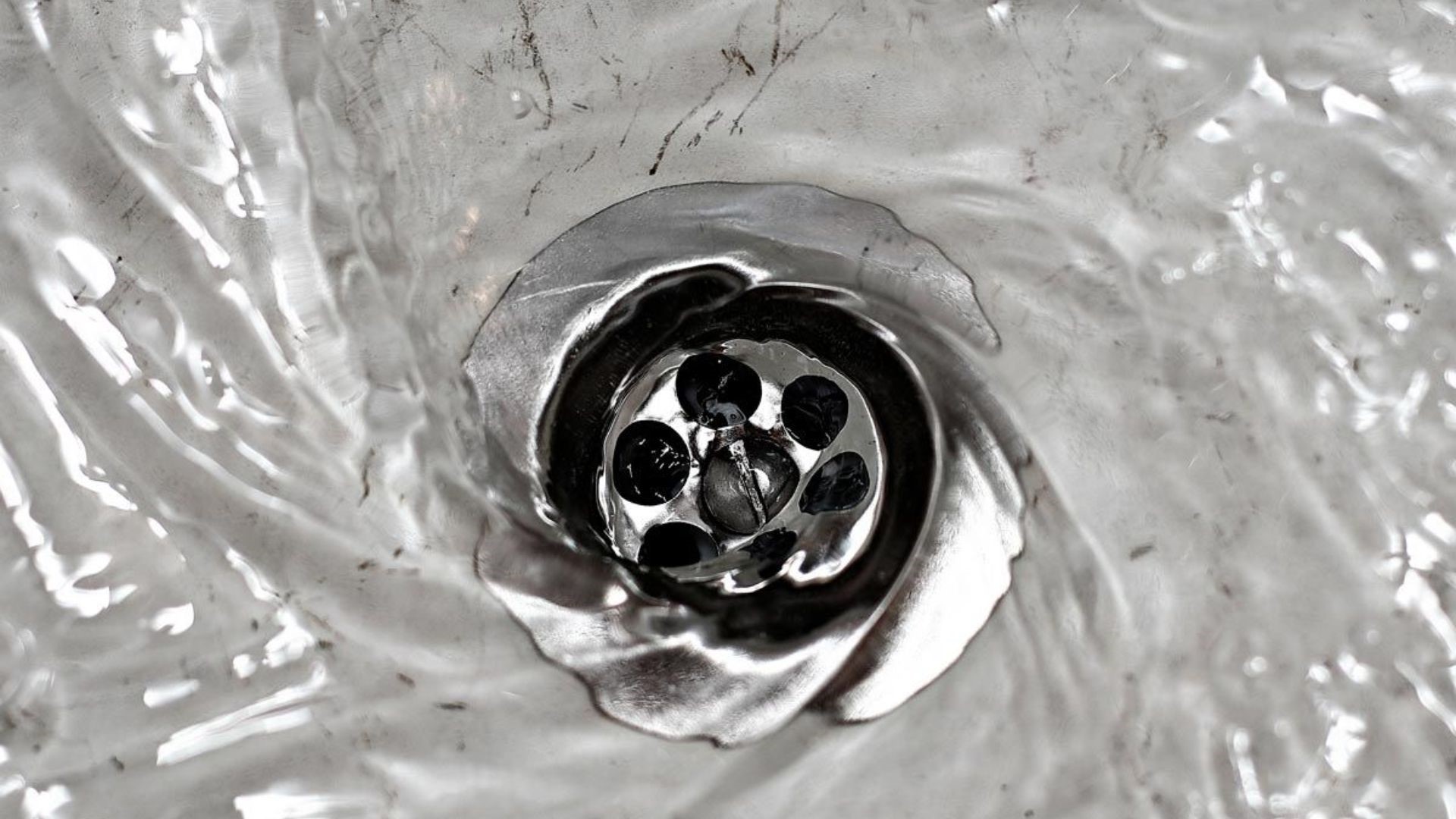
It usually starts small.
A sink that drains a little slower than usual. A faint smell you can’t quite identify. A gurgling sound that comes and goes. Nothing urgent. Nothing alarming.
So, like most homeowners, you ignore it. Days pass. Then weeks. The problem doesn’t go away, but it doesn’t explode either. It just quietly builds in the background until one day, everything stops working the way it should. That’s when the panic sets in.
What many people don’t realize is that these small signs are early warnings that drain cleaning is essential for your home, not just a maintenance task you can postpone. Because what’s happening inside your pipes isn’t visible, but it is progressive.
And by the time it becomes obvious, it’s already expensive.
Your drains may look clean from the outside, but inside, they tell a very different story. Every single day, your plumbing system collects:
These don’t just pass through smoothly. They stick.
Layer by layer, these materials begin to coat the inner walls of your pipes. At first, the buildup was thin. But over time, it thickens, narrowing the passage where water is supposed to flow freely.
Think of it like plaque in arteries. Everything still works until it doesn’t. And when the blockage finally forms, it doesn’t give you much warning.
Drain problems rarely appear overnight. They build slowly, giving subtle clues that something isn’t right. The problem is, most homeowners overlook them.
Watch for these early signs:
Individually, these may seem harmless. Together, they signal a system under stress. Ignoring them doesn’t make them disappear. It simply gives the problem more time to grow.
Here’s the truth: drain cleaning isn’t just about clearing clogs; it’s about protecting your entire plumbing system. When drains are regularly cleaned, everything works the way it should. Water flows freely, pipes stay clear, and pressure remains consistent across your home.
The problem begins when cleaning is ignored. Buildup doesn’t stay stagnant; it grows. What starts as a minor slowdown quietly turns into a restriction, then a blockage, and eventually a full system disruption. And by the time it becomes noticeable, the damage is already underway.
Regular drain cleaning helps:
More than anything, it stops small, manageable issues from turning into stressful, expensive problems. Because once a clog becomes severe, you’re no longer maintaining your plumbing; you’re trying to recover from it.
Ignoring drain problems isn’t just inconvenient; it can quietly turn into a serious risk for your home. What seems like a minor slowdown is often the beginning of pressure building inside your plumbing system. And that pressure doesn’t disappear; it forces its way out in ways that can cause real damage.
As the buildup thickens, pipes struggle to handle normal flow. Water, waste, and air get trapped, creating stress points throughout the system. When those weak points give in, the consequences can escalate quickly and unexpectedly.
Common risks include:
What makes this worse is how quietly it happens. There’s rarely a dramatic warning, just a gradual decline until something fails. And by the time it does, the solution is no longer simple. What could have been routine maintenance turns into a complex, costly repair that affects far more than just your drains.
Most drain issues don’t happen randomly; they’re caused by everyday habits.
In the kitchen:
In the bathroom:
Outside the home:
These are normal activities, but without maintenance, they lead to predictable problems.
When drains start acting up, most homeowners try to fix the problem themselves first. And sometimes, that works; temporarily.
Basic solutions that can help:
But many DIY methods do more harm than good. Common mistakes include:
DIY solutions often treat symptoms, not the problem itself.
And when the issue returns, stronger than before, it becomes harder to manage.
Waiting feels easier at the moment. But it rarely stays that way. When drain issues are ignored, costs increase quickly:
What could have been a simple cleaning turns into a multi-step repair process. And the longer you wait, the higher the price: financially and emotionally.
There’s no one-size-fits-all answer, but most homes benefit from regular preventive cleaning. General guidelines:
Waiting until a clog forms isn’t a strategy; it’s a reaction. Preventive care keeps your plumbing system running smoothly without interruptions.
The good news? Keeping your drains in good condition doesn’t require major effort, just consistent, mindful habits. Most buildup happens gradually through everyday use, which means small changes in routine can significantly reduce the chances of clogs forming in the first place.
When you pay attention to what goes down your drains and how often they’re maintained, you give your plumbing system a much better chance of staying clear and efficient over time.
Simple habits that make a real difference include:
These steps won’t replace professional drain cleaning, but they will extend its effectiveness and reduce how often major issues occur. Over time, these simple habits help keep your drains flowing smoothly and your home running without interruption.
Professional drain cleaning doesn’t just remove clogs; it restores your entire plumbing system. While DIY methods often rely on guesswork, professional service is precise, thorough, and designed for long-term results.
Instead of treating symptoms, trained technicians take a deeper approach. They look inside the system, understand what’s really causing the problem, and use the right tools to fix it properly the first time.
Here’s what sets professional cleaning apart:
The real difference comes down to depth. DIY solutions may open a path for water to pass, but they often leave residue behind. Professional cleaning clears the entire pipe, restoring full flow and preventing buildup from returning quickly.
That’s why the results don’t just fix the problem; they help ensure it doesn’t come back anytime soon.
Drain problems don’t announce themselves loudly at first. They start quietly. Gradually. Almost invisibly. But they never stay small forever.
That’s why understanding that drain cleaning is essential for your home changes everything. It shifts the mindset from reacting to problems… to preventing them entirely.
At C&C Wirth Contractors, we believe your home should work smoothly without constant interruptions. Our approach focuses on long-term solutions, keeping your drains clear, your plumbing protected, and your daily routine uninterrupted.
Because in the end, it’s not just about clean drains. It’s about peace of mind.
Q-1. How often should drains be professionally cleaned?
Ans. Most homes benefit from professional drain cleaning at least once a year as part of preventive maintenance. However, if you have a larger household, frequent cooking, or recurring slow drains, you may need cleaning more often. The key is not to wait for a full blockage; regular maintenance keeps your system running smoothly and helps avoid costly emergencies.
Q-2. Are chemical drain cleaners safe?
Ans. Chemical drain cleaners might seem like a quick fix, but they often do more harm than good. These harsh solutions can corrode pipes over time, especially in older plumbing systems, and they rarely remove the entire blockage. Instead, they weaken your pipes while leaving residue behind, making future clogs more likely.
Q-3. What causes recurring drain clogs?
Ans. Recurring clogs are usually a sign that the root problem hasn’t been fully addressed. Partial blockages, grease buildup, hair accumulation, or even deeper issues like pipe misalignment can cause clogs to return again and again. Without thorough cleaning or inspection, the cycle continues until the problem is properly resolved.
Q-4. Can drain cleaning eliminate bad odors?
Ans. Yes, in most cases it can. Unpleasant drain odors are typically caused by trapped food particles, grease, or bacteria sitting inside your pipes. Professional cleaning removes this buildup completely, eliminating the source of the smell rather than just masking it.
Q-5. When should I call a professional?
Ans. If you’re dealing with persistent clogs, slow drainage that keeps returning, strong odors, or water backing up in multiple fixtures, it’s time to call a professional. These are signs of deeper issues that DIY methods can’t fix. Acting early can prevent bigger damage and save you time, stress, and money.