85 Mansion Blvd Parkersburg, WV 26101
E-mail us: [email protected]
MONDAY-FRIDAY 7AM - 4PM EMERGENSIES BASED ON AVAILABILITY

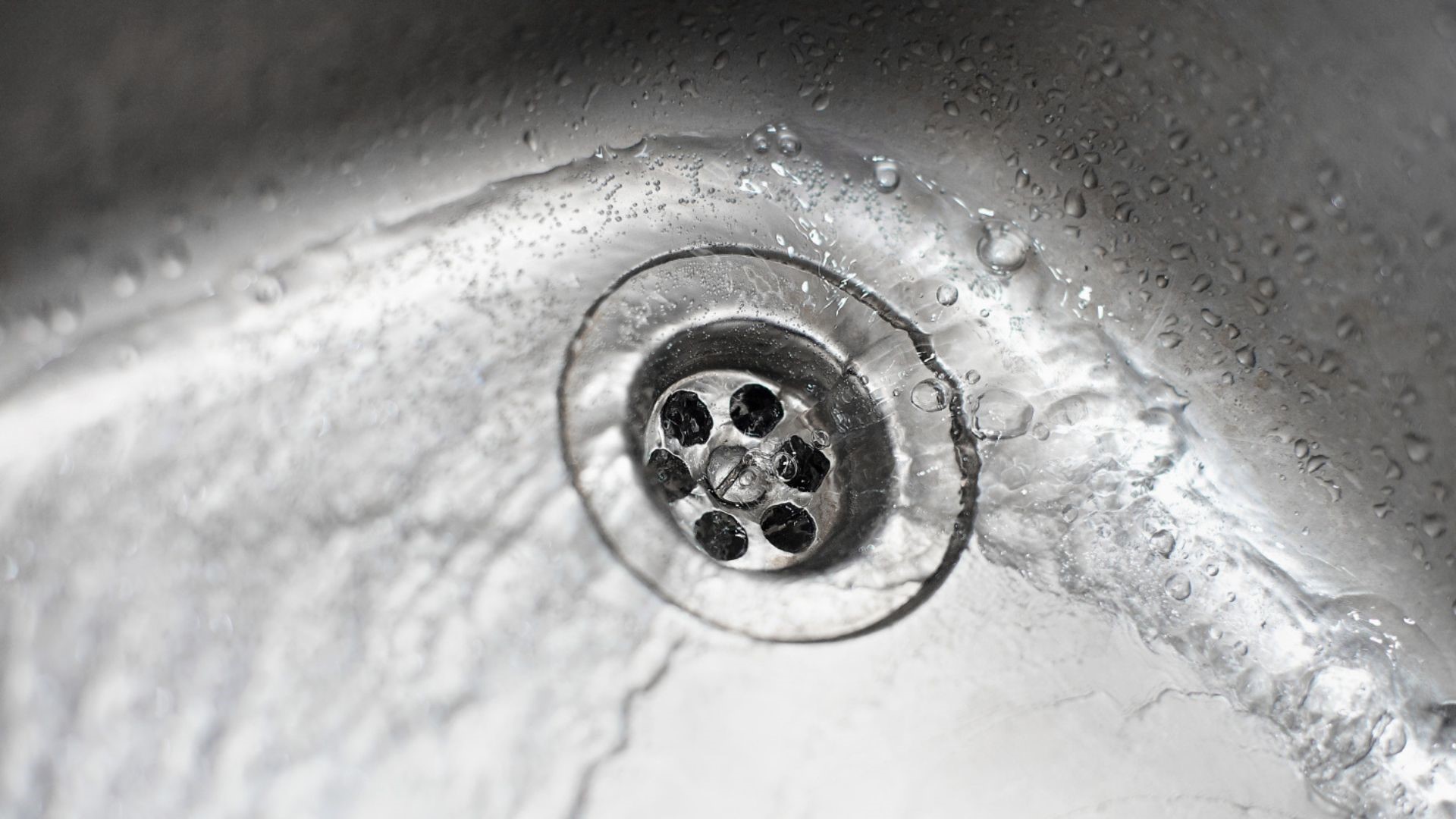
Clogged drains are more than just a minor inconvenience; they can lead to unpleasant odours, slow drainage, and in severe cases, costly plumbing emergencies. Fortunately, preventing a blockage is far easier and cheaper than fixing one. This definitive guide will detail how to keep drains from clogging using simple, proactive habits recommended by plumbing professionals. Adopting these proven strategies will save you time, money, and the headache of dealing with standing water, ensuring your home’s plumbing runs smoothly year-round.
Most homeowners wait until a drain is completely blocked before taking action. However, clogs typically build up slowly, starting with minor obstructions that accumulate over time. These obstructions often form a stubborn, sticky mass composed of grease, hair, and soap scum, which eventually creates a complete blockage. When drains are routinely neglected, professional intervention becomes inevitable. By focusing on preventative maintenance, you can ensure smooth water flow and significantly extend the lifespan of your plumbing system. Learning to prevent drain clogs is the most valuable lesson in home maintenance.
The kitchen sink is a prime target for clogs because of the materials that frequently go down the disposal. According to professional plumbers, the biggest culprit is FOG (Fats, Oils, and Grease).
Never Pour Grease Down the Drain: Hot grease might look like liquid, but as soon as it cools inside your pipes, it solidifies. This sticky layer catches everything else that passes through, causing a nasty blockage. This is the single most important piece of advice on how to keep drains from clogging in the kitchen.
Use Your Garbage Disposal Wisely: Many people treat the garbage disposal like a trash can, but it’s designed only to handle soft food scraps that fall off plates. Avoid putting starchy or fibrous materials down the disposal, as they can gum up the mechanism and clump together, contributing heavily to clogging drains.
The Boiling Water Flush: To dissolve minor greasy build-up, occasionally pour a kettle of boiling water down the drain. This is a simple and effective measure to keep drains clean from early FOG formation.
Bathroom drains face a different set of challenges, primarily hair, soap residue, and personal care products. Showers and tubs are notorious locations where clogging becomes a frequent issue.
The Hair Trap Solution: The sheer volume of hair shed during a shower is the leading cause of bathtub and shower drain clogs. Hair is non-biodegradable and forms dense mats when combined with soap scum.
Switch Soap Products: Traditional bar soaps often contain tallow or fat, which mixes with the minerals in hard water to form a sticky, waxy scum that adheres to pipe walls. This soap scum is a major contributor to stubborn hair clogs.
Regular Plunger Use: If you notice the shower drain slowing down, don’t wait. A dedicated small plunger for the shower or sink can often dislodge the initial blockage before it hardens. Applying some effort when water is pooling is a key strategy for how to keep drains from clogging.
Beyond specific sink tips, adopting regular habits across all your plumbing fixtures provides the best defence against clogs. This is where consistent effort makes a massive difference in preventing future emergency calls.
The Monthly Vinegar and Baking Soda Treatment: This powerful, non-toxic, and natural cleaner is a plumber’s drain tip often recommended for routine maintenance.
This method helps break down soap scum and grease layers, helping you keep drains clean and reducing the chances of a blockage.
Be Mindful of What You Flush: The toilet is meant only for human waste and toilet paper; nothing else. Products labelled as “flushable” (like wipes or cat litter) should never be flushed, as they do not break down adequately and are a guaranteed cause of severe drain clogging.
Soften Hard Water: If you live in an area with hard water, the high mineral content (calcium and magnesium) can leave behind scale on the inside of pipes. This rough surface catches debris more easily.
While chemical drain cleaners are readily available, plumbers strongly advise against their use. These highly caustic products often create more problems than they solve.
For tough clogs, the best advice on how to keep drains from clogging is to use a high-quality hand-held drain snake or to call a professional.
Consistent preventative maintenance is the best answer to how to keep drains from clogging in your home. By being vigilant about FOG in the kitchen, hair in the bathroom, and using natural cleaning methods like baking soda and vinegar, you significantly reduce the risk of plumbing issues. Remember that these small, daily habits are the ultimate way to prevent drain clogs and keep your plumbing running smoothly.
However, sometimes clogs happen despite your best efforts. When you face a serious blockage that a plunger or a simple snake cannot resolve, you need a trusted professional. For expert service, dependable repairs, and the latest plumbing and drain tips, rely on C&C Wirth Contractors. With years of experience and a commitment to quality, C&C Wirth Contractors is ready to tackle any plumbing challenge, ensuring your entire system is running efficiently and effectively. Don’t let stubborn drains clogging stress you out; call the reliable experts today.