85 Mansion Blvd Parkersburg, WV 26101
E-mail us: [email protected]
MONDAY-FRIDAY 7AM - 4PM EMERGENSIES BASED ON AVAILABILITY

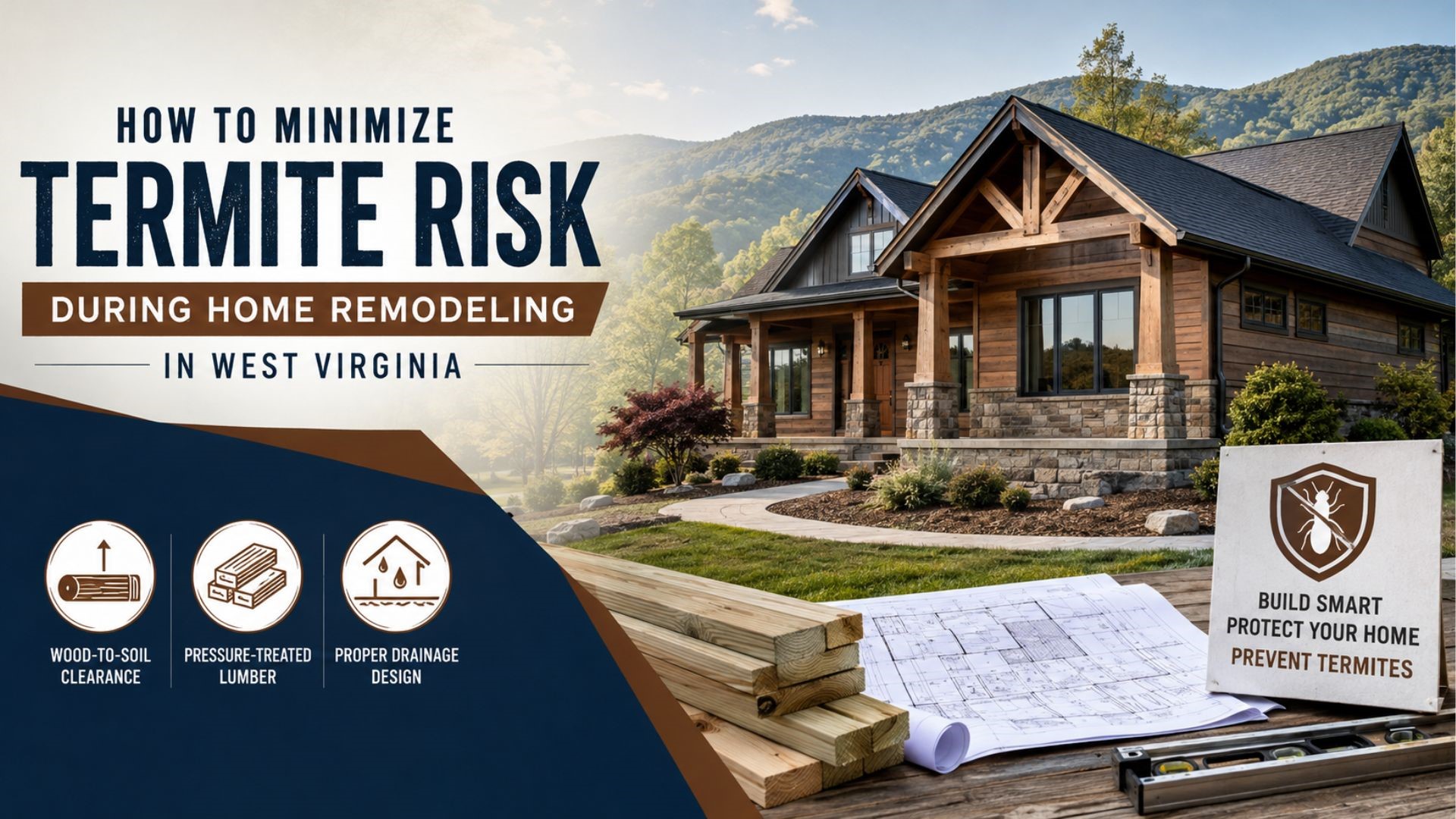
West Virginia is a beautiful state in the tree-covered Appalachian Mountains with dense forests, old homes, and deep history. For the same reasons, renovation projects need a little extra tender, loving care. If you’re planning to start home remodeling in West Virginia, you might wanna be prepared for subterranean termites when they decide to cause some trouble. Experienced contractors like us have learned to expect the unexpected. And the problem with termites is that they are genuinely good at their job. So by the time you see visible damage, they have typically been working on your home for quite a while and sometimes even years. The design and material choice you make can quietly raise or lower the chance of expensive termite damage later.
West Virginia is in termite Infestation probability Zone #2 (moderate top heavy). This means termite activity is high enough that building standards require stronger prevention steps than in areas with lower risks. Home remodeling is an ideal time for building termite protection directly into the design of your reno project.
This blog post explains how architectural and material choices like keeping wood away from soil, using pressure-treated lumber, proper grading, etc can help lower the termite risk during and after remodeling in West Virginia.
Okay, before diving straight into the termite-proofing home designs, it will help locals understand the termite situation in West Virginia and nearby regions.
West Virginia homes are mainly attacked by subterranean termites. These include the eastern subterranean, dark southeastern, and light southeastern species. These termites live in the soil, build mud tubes, and feed on wood from below. They usually enter homes through cracks in the foundation, gaps around utility lines, or places where wood touches the soil directly. Drywood termites are not native to West Virginia. However, they can occasionally arrive in items such as furniture, pallets, or crates and then start colonies indoors if conditions are right. Formosan termites have not been found in West Virginia yet. The closest confirmed infestations are in parts of North Carolina.
Subterranean termites in West Virginia usually swarm on warm, rainy days. Swarms can also happen inside heated buildings during winter.
The most common species have their own specific swarming periods:
Swarms are usually the first clear sign homeowners notice. However, by the time you see swarming termites around a remodeled home, the colony may already be feeding on the structural wood.
West Virginia is classified in TIP Zone #2 (moderate to heavy). This means the chances of termite damage are high enough that building codes require extra termite control measures for new construction. For home remodeling, this means you should assume your property has a real chance of termite activity and design the project with that risk in mind.
Most termite prevention advice focuses on treatments and inspections. Home remodeling, however, creates a unique opportunity. You are already opening walls, adjusting foundations, and changing exteriors, so it becomes easier to build in termite-resistant design choices.
During a remodel, you can:
Instead of treating termite prevention as something to think about later, you can make it part of smart home remodeling in West Virginia, especially in areas where termites are common.
It’s the first specific design recommendation and one of the most important termite-related designs for home remodeling. It focuses on keeping wood siding high enough above the soil. Subterranean termites live in the soil and move upward to feed on wood. If wood sits directly on the ground or too close to it, it becomes an easy target.
Industry guidance and termite prevention standards recommend keeping wood siding at least 6 inches above the finished soil grade.
This clearance does the following:
During home remodeling, especially when updating exterior cladding or regrading around the house, you can:
If you are remodeling in termite-prone parts of West Virginia such as humid valleys or wooded lots, siding clearance is a simple but powerful termite-proofing step that works well with broader exterior renovation work.
This one is our second design recommendation, which focuses on using the right type of wood near the ground. So when you’re planning a home remodelling in West Virginia, choose the right material for framing that sits near the ground. Termites are attracted to untreated and moist wood. Using the right material in areas that touch or sit close to the soil can slow or prevent damage.
For termite prevention and construction practices, emphasize using pressure-treated wood for components that are in contact with soil or very close to it.
That typically includes:
While remodeling a home, you may consider:
If cutting pressure-treated lumber on-site, best practice is to treat the newly exposed interior end with borate or other appropriate preservative, as a matter of design-level detail, to extend the termite resistance of the cut end.
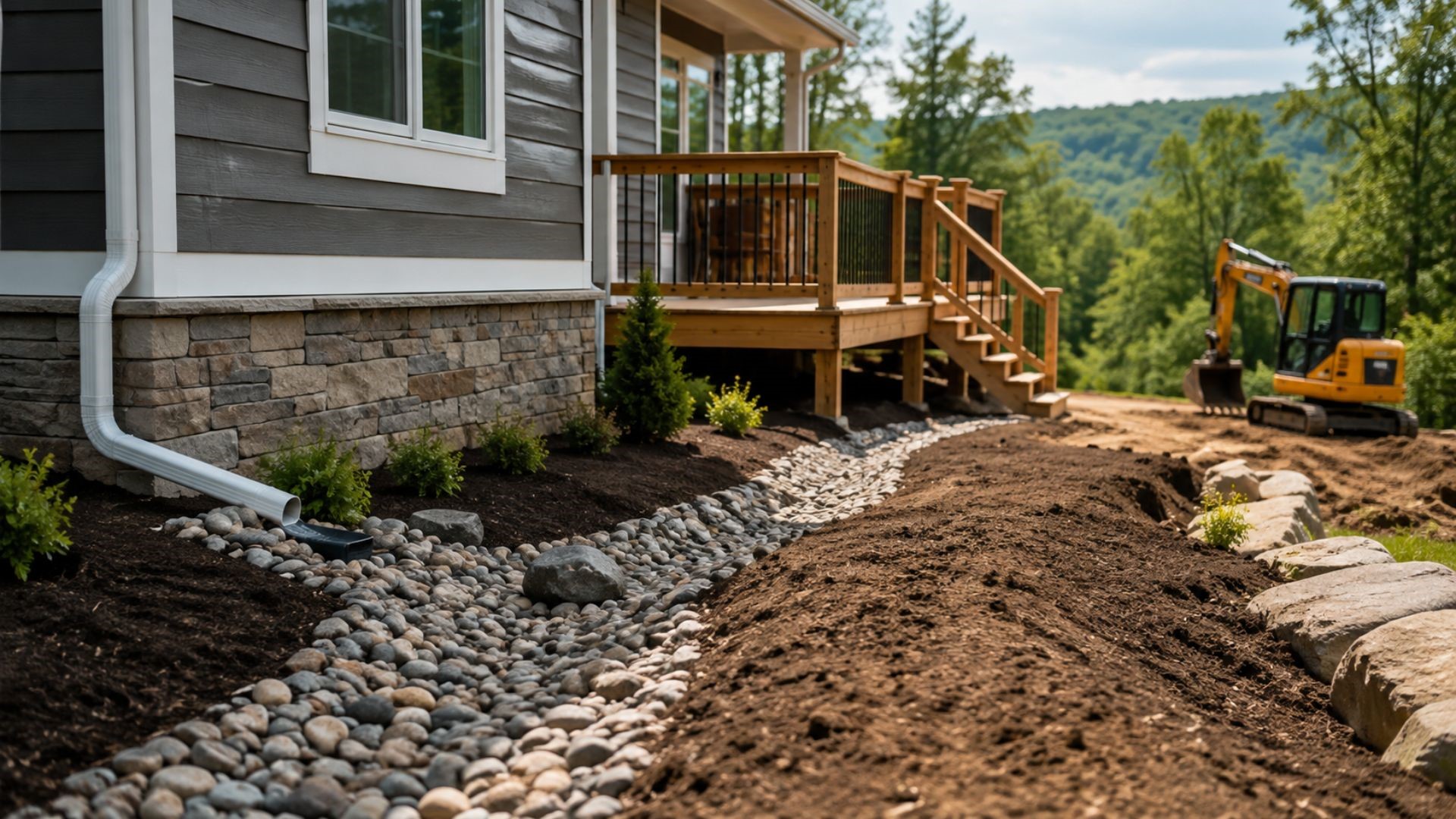
Termites are attracted to moist, swampy soils conducive to decay, promoting colonies to flourish and spread throughout the landscape. Therefore, grading and drainage must be considered an essential element of any West Virginia home remodeling project, focused on termite prevention.
Termite and building construction guidance recommend:
These recommendations help reduce long-term soil moisture near the foundation and footing, reducing the likelihood that subterranean termites will be present in these areas.
If planning to complete exterior remodeling, including replacement of siding, porticos, or landscaping, it is always a good idea to:
By staging grading and drainage improvements early in the remodeling process, you can ensure that this detail is not overlooked while completing more prominent aspects of the remodeling, such as new siding or a portico addition. This is an important step in ensuring a higher level of termite prevention as part of your overall remodel.
Mulch can often be found in landscaping throughout West Virginia, making it challenging to manage termite pressure while also enjoying the aesthetic benefits of mulch. Organic mulch retains moisture in the soil, including near the foundation, which can promote decay and provide cover for subterranean termites to build tunnels and gain access to above-ground wood features.
Many termite prevention resources recommend keeping mulch some distance away from building foundations to help prevent excess moisture retention and concealment of termite activity. To help reduce termite pressure while still enjoying the benefits of mulch in your landscape, avoid placing mulch directly adjacent to building foundations and consider using gravels or other mulch alternatives that allow for better inspection for signs of termites or their activity.
While completing remodeling, especially when updating curb appeal, patios, or garden beds, you can:
This small change can have a noticeable impact on your ability to inspect for termites in your West Virginia home, particularly in areas of moderate to high risk.
Decks, porches, and other structures are a popular element of home remodeling in West Virginia. While desirable, decks and porches also represent opportunities for termites to access a home. Direct wood-to-soil contact allows subterranean termites to exploit the connection as a food source and access point to the above-ground structure.
Wood-to-soil contact is strongly discouraged for all structural wood members due to the combination of increased moisture and an accessible food source that promotes termite activity and decay.
Wood that touches soil:
To reduce the risks associated with wood-to-soil contact for decks and porches:
Updating deck footings and posts during a remodeling project can be an excellent opportunity to reduce termite risks and improve the long-term performance of your structure.
The following are additional design choices for incorporating termite-resistant remodeling considerations:
Particular attention should be given to this detail when remodeling bathrooms, kitchens, and laundry rooms on a slab foundation.
For crawlspace foundations, the crawlspace should be vented adequately and vapor barriers installed on the soil, as appropriate, to reduce wood decay and moisture, thereby reducing the likelihood of termites.
When practical, use fiber cement or masonry siding near building grade, metal, concrete, or stone retaining walls near the foundation, and appropriate termite-resistant engineered wood products specified in the guidance for your region.
These design choices support termite-resistant remodeling construction practices that can help protect your investment and home in West Virginia.
When completing your next remodeling project in the West Virginia area, consider the following key questions as part of your design process:
By considering termite prevention as part of the design and remodeling process, you can make your West Virginia home remodeling not only more beautiful, but also more secure and long-lasting.
By integrating termite-proofing designs like proper wood-to-soil clearance, many free foundation gaps, and raised deck footing, etc, you can protect your investment from the start. At C&C Wirth Contractors, we have spent decades helping West Virginia homeowners plan and carry out home remodelling projects that hold up against local challenges.
From foundation work and exterior upgrades to deck installations and full home remodelling, we coordinate every detail with termite prevention and long-term durability in mind.
Do you want to renovate your home in any locality in West Virginia? Get in touch with our team members for a consultation. We’ll review your designs, identify risk points, and build a plan that protects your home for years to come.
You can, but consult with your termite professional prior to making changes. New grading, deck, or landscaping can impact bait stations or chemical barriers if not done correctly.
Yes, despite being treated for decay, pressure-treated wood should not touch the ground. Termites and rot are still a concern if the wood is in contact with soil and should be installed on piers or footings.
Yes, if you have an older home or one that is at higher risk for infestation. Removing siding allows access to the home’s frame as well as any entry points for termites that need to be sealed. It’s also a good time to add barriers to the home’s structure while it’s open.
Old damage will be hard and dry to the touch, while active infestations will have softer wood and mud tubes. If you’re unsure, hire a professional termite inspector to examine the damage and confirm whether it’s old or active.
While they aren’t necessarily “more” prone, they do have additional risk factors than homes on level ground. Pay close attention to the downhill side of the lot as well as foundation walls.