85 Mansion Blvd Parkersburg, WV 26101
E-mail us: [email protected]
MONDAY-FRIDAY 7AM - 4PM EMERGENSIES BASED ON AVAILABILITY

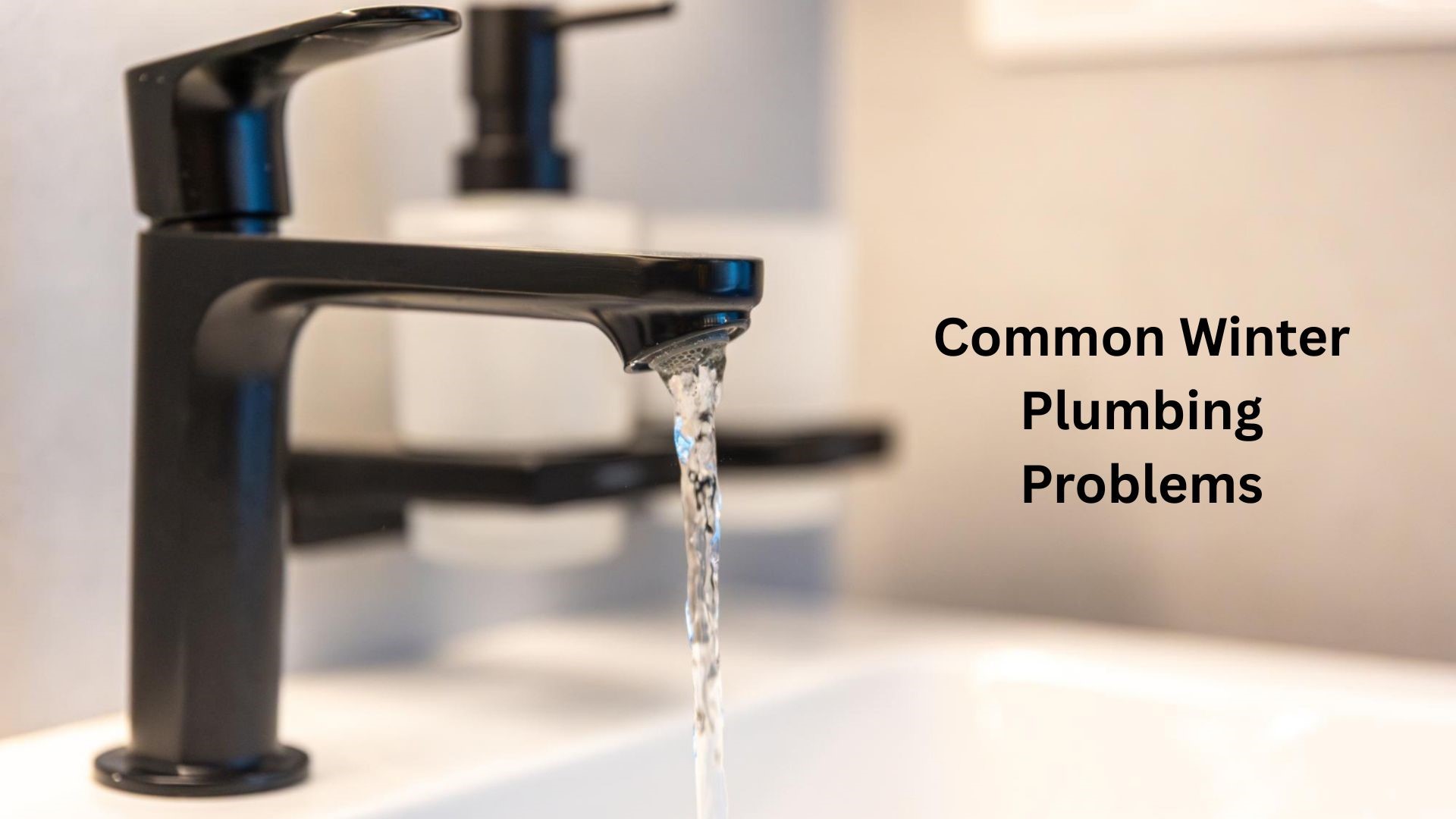
Winter is often harsh on houses throughout West Virginia and Ohio. As people stress about keeping their households warm, however, few consider the insidious danger of winter plumbing issues. Cold temperatures, changing conditions, and extended nights can destroy your plumbing system, resulting in broken pipes, water heater breakdowns, and expensive repair bills.
At C&C Wirth Contractors, we assist homeowners in your area with preparing for and avoiding seasonal damage. This article delves into the most frequent winter plumbing issues, how to identify them early, and effective ways to have your plumbing function well regardless of how low it drops.
Plumbing fixtures are intended to manage ongoing water pressure and flow—but once temperatures reach below freezing, the stress factor intensifies. Cold air impacts pipes, joints, and water heaters in varying ways, making materials expand or contract.
Three significant factors increase winter plumbing issues:
1. Fluctuating temperatures — Sudden freeze-thaw cycles reduce pipes’ strengths.
2. Higher water consumption — Families stay indoors longer, placing added stress on plumbing.
3. Inadequate insulation — Basements, crawl spaces, and outside walls remain colder than you think, subjecting pipes to freezing temperatures.
Forgetting preventive maintenance can result in costly breakdowns, sometimes at the worst time—like during a snowstorm or holiday weekend.
Let’s take a look at the most common perpetrators of winter plumbing damage and how to address them before they become serious.
Frozen pipes are quite possibly the worst winter plumbing issue. When water freezes in a pipe, it expands, and this builds massive pressure. It can create cracks or totally burst—flooding your home in minutes.
In case a pipe freezes, switch off your main water supply at once and contact a professional plumber to prevent further damage.
Whereas frozen pipes are the warning phase, burst pipes are the emergency in full bloom when the ice within has nowhere to go, the pipe bursts, typically causing water damage in walls or floors.
C&C Wirth Contractors provides quick emergency response for pipe bursts in Ohio and West Virginia, reducing water damage through effective repair and drying services.
Your water heater labors harder than ever during winter—and compromised units can collapse under pressure. Inadequate maintenance or sediment within the tank can decrease efficiency and heighten heating stress.
If you rely on your water heater every day (hi, hot showers and dishes!), get to servicing it before the bitter cold of winter sets in.
Holiday winter means soup, coffee, and special feasts—but what goes down the drain could come back to haunt your pipes. Grease, fat, and food scraps can solidify in low temperatures, clogging into forms that impede water flow.
For severe or persistent clogs, professional drain cleaning ensures healthy kitchen plumbing year-round.
Outdoor spigots are most susceptible to freezing. Trapped water can freeze, expand, and rupture interior piping if you don’t drain garden hoses or spigot drainings.
This one quick step avoids a massive amount of winter plumbing issues we experience annually.
Sump pumps prevent flooding in basements—but freezing weather can seal up or freeze their inlet pipes. When the pump dries up or is unable to drain water, it can get overheated or burnt out.
By keeping this system in top shape, you’ll safeguard your basement from both winter runoff and early spring thaws.
Cold weather can impact drainage lines—especially older systems or those near tree roots. Rising usage and slower water flow create backups that cause unpleasant odors or overflowing toilets.
If toilets start gurgling or you see water backing up in nearby drains, your sewer line probably needs to be inspected right away.
We realize winter strikes homes aggressively in West Virginia and Ohio. Our plumbing operations are centered around sound preventive care, timely emergency service, and long-term plumbing solutions that make pipes strong year-round.
We combine decades of knowledge with top-of-the-line equipment to provide economical, reliable service every time you call on us.
When you hire C&C Wirth Contractors, you’re getting more than just repairs—you’re getting peace of mind.
Here’s why we continue to be the go-to choice for homeowners:
We’re proud to work with homeowners who value our skills, reliability, and honesty—all year round.
Winter plumbing issues don’t have to take you by surprise. With proper planning—and the right experts—you can protect your home before it gets cold.
If you’ve experienced clogged drains, unsteady water pressure, or squeaky pipes, it’s pre-winter inspection time.
Get in touch with C&C Wirth Contractors today to book your seasonal maintenance or emergency call.
We’ll assist you in determining dangers, seal your system against water leaks, and avoid expensive winter plumbing catastrophes before they start.
C&C Wirth Contractors – Safeguarding West Virginia and Ohio homes from winter plumbing issues, one pipe at a time.