85 Mansion Blvd Parkersburg, WV 26101
E-mail us: [email protected]
MONDAY-FRIDAY 7AM - 4PM EMERGENSIES BASED ON AVAILABILITY

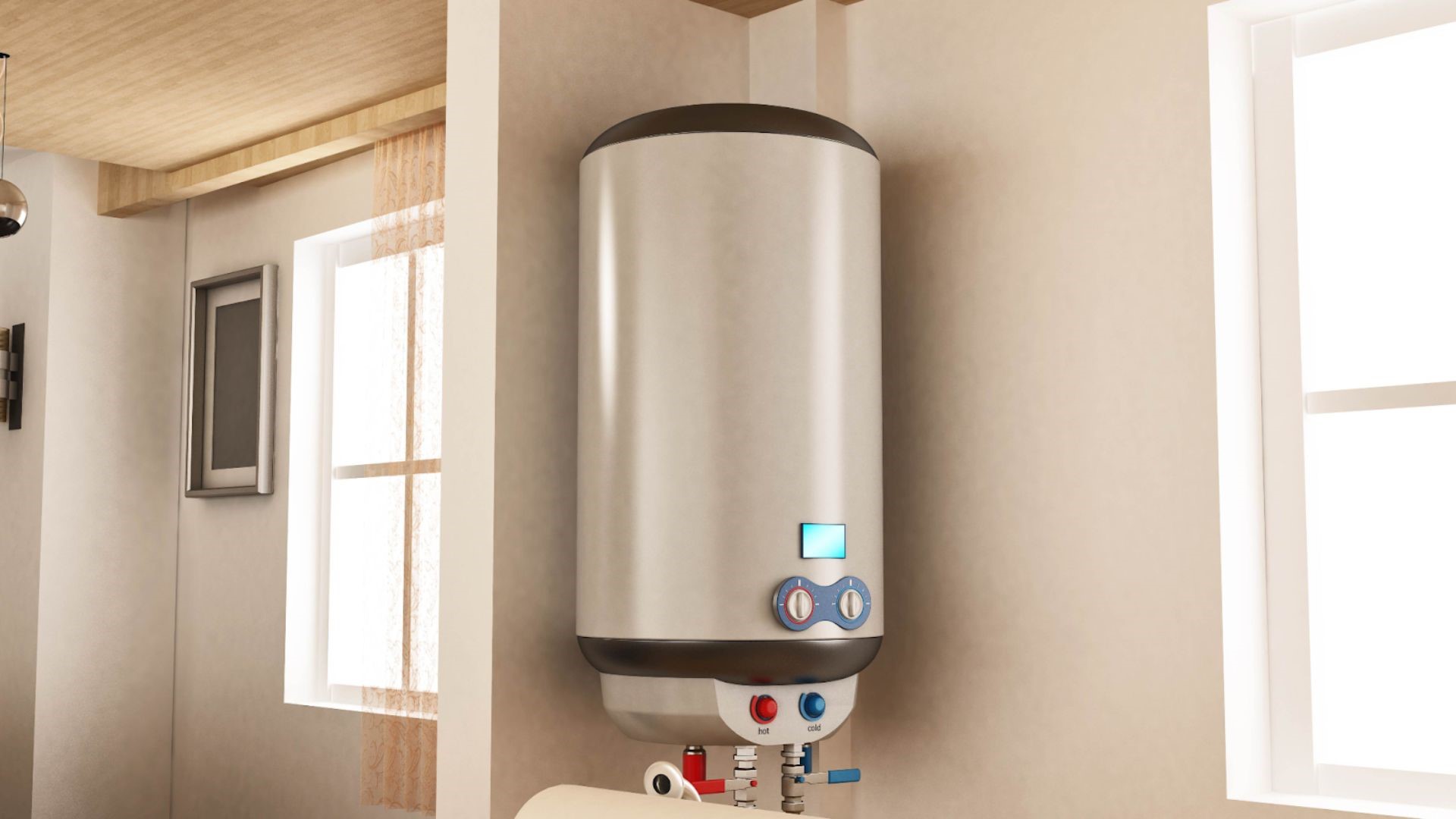
The choice of a home heating system is one of the most critical decisions a homeowner makes, impacting everything from daily comfort to long-term utility bills and environmental footprint. A reliable and efficient supply of hot water isn’t a luxury, but the invisible engine of a functional modern home. This comprehensive guide explores the six primary types of hot water systems available today, dissecting their operational mechanics, energy sources, benefits, and drawbacks to help you make a smart, informed decision. Understanding the various options, from the traditional storage tank to cutting-edge heat pump and combination models, is the crucial first step toward securing an energy-efficient, perfectly sized system for your family’s needs. The main types of hot water systems can be broadly categorized by their operational method, but for clarity, we will break down the six most common and distinct units.
The storage tank water heater is the most familiar sight in homes across the country. It operates on a simple principle: heat water, store it, and keep it ready for use.
How They Work:
Cold water enters a large, insulated tank and is heated by either a gas burner located beneath the tank or electric heating elements submerged in the water. A thermostat maintains this stored volume at a consistent set temperature. When a tap is opened, hot water is drawn from the top, and cold water rushes in at the bottom to replace it. This is why these types of hot water systems are defined by their finite capacity; once the stored hot water is depleted, you must wait for the unit’s recovery rate, the time it takes to heat the new batch, to catch up.
Fuel & Efficiency:
Pros and Cons:
| Advantage | Disadvantage |
| Lower Initial Cost: Cheapest to buy and install. | Standby Heat Loss: Wastes energy by constantly reheating water stored in the tank. |
| High Flow Rate: Excellent at handling multiple simultaneous demands until the tank is empty. | Finite Supply: Can run out of hot water during peak usage times. |
Also known as instantaneous or on-demand heaters, tankless systems eliminate the storage tank entirely, saving space and energy.
How They Work:
Tankless units activate only when a hot water faucet is opened. Cold water flows through a pipe into the unit, where a flow sensor triggers a powerful gas burner or electric element. The water is heated rapidly as it passes through a heat exchanger before being delivered to the fixture. The heating process stops the moment the tap is closed, resulting in zero standby heat loss.
Gas vs. Electric:
Gas tankless units are typically more powerful, capable of heating a larger volume of water, making them the most suitable of these types of hot water systems for whole-house use. Electric tankless heaters are smaller and better for point-of-use applications or smaller homes, as large electric units often require significant, sometimes costly, electrical service upgrades.
| Advantage | Disadvantage |
| Unlimited Supply: Hot water never runs out. | Higher Upfront Cost: Units and specialized installation are typically more expensive. |
| Superior Energy Efficiency: Reduces energy bills by eliminating standby heat loss. | Flow Rate Limitation: May struggle to supply adequate hot water to several high-demand fixtures running simultaneously. |
The heat pump water heater (HPWH) is the champion of electric efficiency, operating fundamentally differently from a standard electric resistance unit. Among the energy-efficient types of hot water systems, this is a top performer.
How They Work:
Instead of generating heat, the HPWH transfers it. It works like a refrigerator in reverse, using a fan and compressor to pull heat energy from the surrounding air (like a basement or garage) and concentrate it to heat the water in the storage tank. Because it only uses electricity to move heat rather than create it, it is typically 2 to 3 times more efficient than a conventional electric resistance heater.
Ideal Environment:
HPWHs are most efficient in spaces that maintain a temperature range of 40°F to 90°F. A secondary benefit is that the unit’s operation cools and dehumidifies the area where it is installed. In very cold environments, they have a backup electric resistance element to ensure a constant supply of hot water.
Pros and Cons:
| Advantage | Disadvantage |
| Exceptional Energy Efficiency: Lowest operating cost among electric types of hot water systems. | High Upfront Cost: The Initial purchase price is higher than conventional units. |
| Reduced Carbon Footprint: Significantly lowers electricity consumption. | Temperature Dependency: Efficiency drops in cold climates, relying more on the electric resistance element. |
Solar water heaters (SWH) use free, renewable energy from the sun to heat water, offering the most environmentally friendly solution.
How They Work:
The system consists of solar collectors (typically on the roof) that absorb solar radiation and transfer that heat to a fluid. This heated fluid then circulates to a solar storage tank, where a heat exchanger transfers the thermal energy to the home’s water supply.
System Types:
Virtually all solar installations include a backup booster (gas or electric) to guarantee hot water availability during cloudy weather or at night. Understanding these various types of hot water systems is key to maximizing energy savings.
Pros and Cons
| Advantage | Disadvantage |
| Minimal Operating Costs: The energy source (the sun) is free, offering excellent long-term savings. | Highest Upfront Cost: Significant expense for the collectors, tank, and installation. |
| Environmental Benefits: Dramatically reduces reliance on fossil fuels. | Weather Dependency: Requires a backup heat source for consistent hot water. |
Indirect water heaters are a unique approach that links your home’s space heating system (furnace or boiler) to your hot water supply.
How They Work:
An indirect system does not have its own burner or electric element. Instead, it uses a closed loop of hot fluid from your boiler or furnace, which is circulated through a heat exchanger coil inside a well-insulated storage tank. The heat transfers from the boiler fluid to the domestic water. Since it uses the boiler, often an extremely efficient heating source, it can be a highly economical way to produce hot water.
Efficiency and Usage
These are considered very efficient, especially in winter when the boiler is running regularly for space heating. The large, well-insulated storage tank keeps the water hot for long periods, allowing the boiler to fire less often. However, running the boiler solely for hot water production during the summer months can be less efficient than a dedicated water heater.
Pros and Cons:
| Advantage | Disadvantage |
| High Efficiency: Utilizes the often-high efficiency of the home’s primary boiler/furnace. | Requires Central System: Only works if your home uses a boiler or furnace for heat. |
| Longevity: Tanks are typically built without internal heating elements, leading to less corrosion and a longer lifespan. | Shared Risk: If the central boiler breaks down, both your home heat and hot water are lost. |
Condensing water heaters are among the most energy-efficient of the gas-fired types of hot water systems, particularly effective for homes with high hot water demand.
How They Work:
Standard gas heaters vent hot exhaust gases directly out of the chimney, wasting heat. A condensing water heater is designed to capture this wasted heat by routing the exhaust through a second heat exchanger. This process cools the gases to the point where the water vapour (a combustion byproduct) condenses back into liquid. The condensation releases additional latent heat energy, which is then used to preheat the incoming cold water. This recycling process can push the unit’s efficiency rating significantly higher than non-condensing models.
Key Features:
Condensing units are typically high-capacity and can be found in both storage tank and tankless forms. Because they vent cool exhaust gas, they must be vented through a PVC pipe, allowing for more flexible installation locations compared to traditional metal flues.
Pros and Cons:
| Advantage | Disadvantage |
| Highest Gas Efficiency: Captures and recycles heat from exhaust, resulting in lower running costs. | Higher Upfront Cost: The complex design and materials required for the secondary heat exchanger are expensive. |
| Flexible Venting: Vents through a PVC pipe, which is easier to install than a metal flue. | Condensate Drain: Requires a reliable drainage line to safely remove the acidic liquid byproduct of condensation. |
The complexity of choosing the right heating unit, given the wide range of available types of hot water systems, should not be underestimated. From the economic simplicity of conventional tanks to the technical finesse of solar and condensing technologies, each option presents a unique blend of initial cost, operating expense, and environmental stewardship. Ultimately, the decision must be tailored to your homeowner profile: your budget, the local climate, the fuel availability in your area, and your family’s daily hot water usage patterns.
To navigate this crucial decision and ensure your installation is performed to the highest standards, it is essential to partner with a seasoned, reliable contractor. For expert advice, professional sizing, and impeccable installation of all types of hot water systems, from traditional gas and electric models to advanced, energy-saving heat pumps and solar solutions, look no further than C&C Wirth Contractors. C&C Wirth’s proven expertise ensures you get the most efficient and dependable hot water system for your home, guaranteeing comfort and savings for years to come.