85 Mansion Blvd Parkersburg, WV 26101
E-mail us: [email protected]
MONDAY-FRIDAY 7AM - 4PM EMERGENSIES BASED ON AVAILABILITY

Choosing the right hot water system is important for your comfort at home and energy efficiency. An ideal system provides your family with a sufficient volume of hot water while keeping energy consumption and costs in balance. For more than a decade, C&C Wirth Contractors has assisted homeowners in West Virginia and Ohio in making these significant decisions with their expert opinion and professional installation. The following blog post outlines different kinds of hot water systems that you may want to consider for your home.
Most of us never give much thought to our hot water systems until something goes wrong. However, your water heater is among the biggest energy users in your home, generally accounting for about 18% of your utility bills. To choose the right hot water system, you will need to think about your household size, fuels available in your location, such as natural gas, electricity, propane, and solar, installation space, as well as long-term operating costs. A properly sized and installed system ensures comfort while maximizing energy efficiency and savings.
Storage tank water heaters are the most prevalent form of all water heaters in a house. These systems feature an insulated tank where water is heated and stored until needed, ready for use at any time.
How It Works: A gas burner or electric heating element heats the water inside the tank to maintain it at a set temperature. When you turn on a hot water tap, the preheated water flows from the top of the tank, while cold water enters the bottom to be heated.
Pros: Lower upfront costs, easier installation because they can often replace existing tank-type systems, and the ability to supply multiple fixtures simultaneously.
Disadvantages include higher energy use associated with standby heat loss (energy lost through tank walls), limited hot water supply depending on the tank capacity, and a larger spatial footprint. The average life is 10-15 years.
These traditional hot water systems are suitable for households that have a moderate and simultaneous hot water demand; they tend to be the most affordable option upfront.
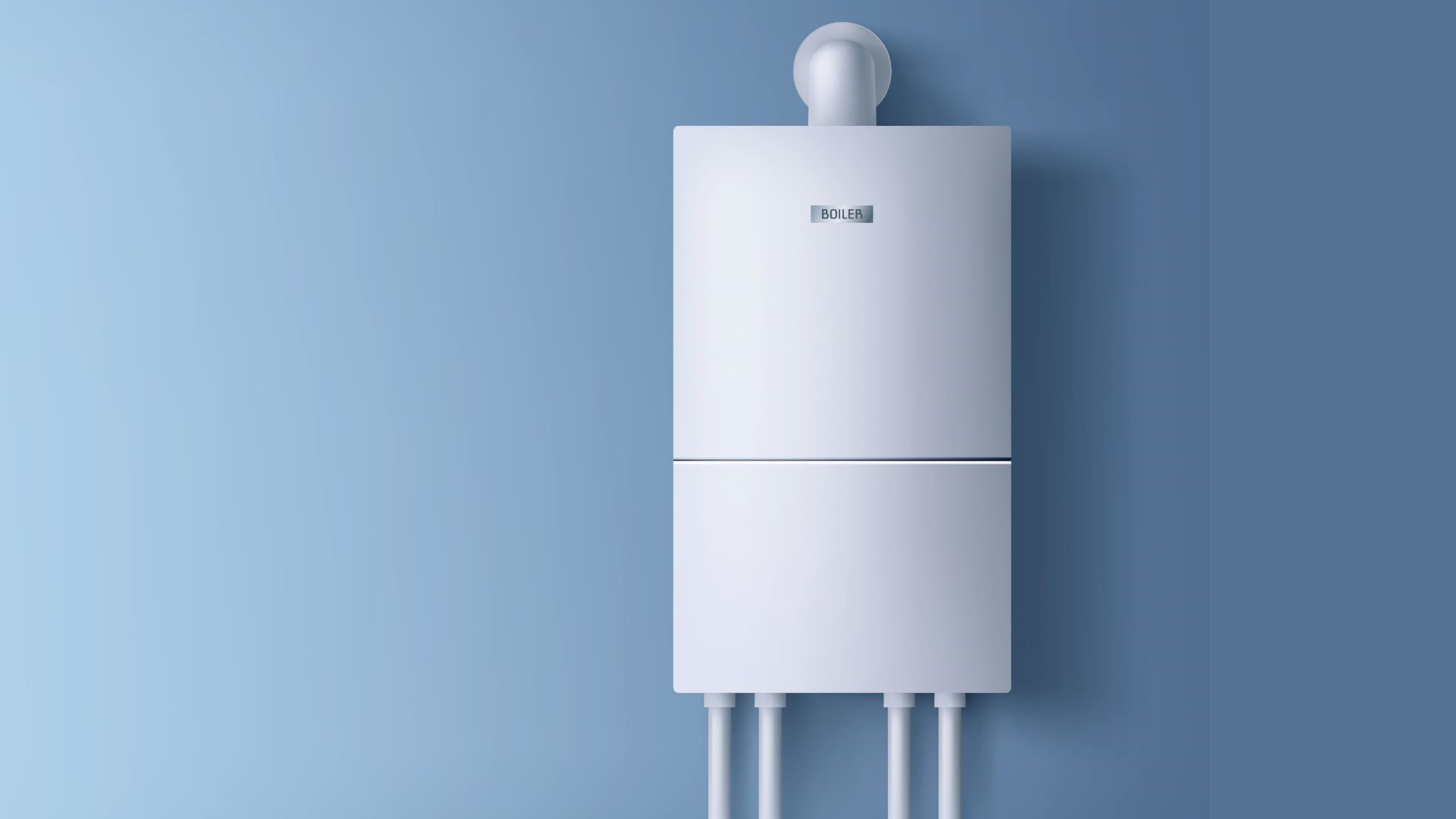
Tankless water heaters, also called instantaneous or continuous flow hot water systems, heat the water directly as it flows through the unit without storing it. This innovative approach provides hot water only when needed.
How It Works: When a hot water tap is turned on, cold water passes through a pipe into the unit and is instantly heated either by a gas burner or electric element through a heat exchanger. The unit turns off when the tap is closed, saving energy.
Pros: Major energy savings of 24-34% for homes using 41 gallons or less daily, continuous hot water supply, space-saving compact wall-mounted design, and longer life expectancy of 20+ years.
Disadvantages include: higher upfront purchase and installation costs, may require upgrading gas lines or electrical systems, and may struggle with simultaneous multiple uses in large households.
Tankless systems represent an excellent energy-efficient water heating solution for homes that value long-term savings and a continuous hot water supply.
Condensing gas water heaters are designed to be the most efficient and, as such, are ideal in homes with high hot water demand that have natural gas availability.
How It Works: Like conventional storage tank heaters, except with one very important difference-these systems capture heat from the exhaust gases that would otherwise be lost or wasted. This captured heat preheats incoming cold water before it reaches the main heat exchanger, greatly enhancing efficiency.
Pros: Higher energy efficiency with UEF ratings as high as 0.96, lower operating costs, less impact on the environment, and can use less expensive PVC venting materials.
Disadvantages include a higher initial investment, a more intricate installation that needs professional expertise, and a requirement for a drain for condensate disposal.
A condensing water heater provides very efficient water heating with long-term operational savings, especially for households that consume a lot of hot water and use natural gas.
Cutting Costs with Innovative Heat Pump Technology. Heat pump water heaters, also referred to as hybrid water heaters, are a very efficient electric option. While they utilize electricity, they do so to move heat from the ambient air to the water rather than producing the heat directly.
How It Works: Heat pump water heaters pull ambient heat from the surrounding air, like a refrigerator in reverse, and transfer it to the water in an insulated tank. It uses a fraction of the amount of electricity required when compared to traditional electric resistance heating.
Pros: Extremely efficient energy usage, sometimes 2-3 times better than conventional electric water heaters; lower operating costs; possible rebates due to energy efficiency.
Disadvantages: Higher initial cost, must be installed at suitable locations with space and ambient temperature – mainly between 40-90°F – may require auxiliary heating in colder regions, and may cool the space where they are installed.
Heat pump water heater technology can provide huge savings for moderate-climate homes with adequate installation space, making them one of the most advanced electric water-heating options.
Solar hot water systems provide a sustainable and eco-friendly heating solution, ideal for the environmentally conscious homeowner, by utilising free energy from the sun.
How It Works: Solar collectors (usually mounted on the roof) absorb thermal energy from the sun to heat a transfer fluid. This fluid circulates through a heat exchanger in a storage tank, where it warms up household water. Most systems include a conventional backup heater for cloudy days.
Pros: include substantial energy bill savings, reduced carbon footprint, possible qualification for tax credits and rebates, and protection from increasing energy costs.
Disadvantages: include the high initial installation cost, dependence on sunlight availability, proper roof space and orientation, and it usually requires a backup heating system.
Solar water heating systems work great in sunny areas and are an environmentally friendly way of heating water with great long-term savings.
The following comparison table can help highlight the key differences between the main types of hot water systems.
| System Type | Initial Cost | Operating Cost | Lifespan | Best For |
| Storage Tank | Low | Moderate | 10-15 years | Budget-conscious homeowners, moderate usage |
| Tankless | High | Low | 20+ years | Families wanting endless hot water, long-term savings |
| Condensing | High | Low | 15-20 years | Gas users with high demand; maximum efficiency |
| Heat Pump | High | Very Low | 10-15 years | Mild climates; eco-conscious homeowners |
| Solar | Highest | Lowest | 20+ years | Sunny locations; renewable energy seekers |
Picking the correct hot water system is based on several factors around the home. Your local professionals at C&C Wirth Contractors consider these essential elements during our consultation:
1. Household Size and Demand: The number of bathrooms, along with household occupants, will greatly affect your hot water demand. A family of four will require a system with a higher first-hour rating than a couple.
2. Fuel Type Availability and Cost: The energy source available – natural gas, electricity, propane, or solar – impacts both installation and operating costs. In general, the operating costs for gas systems are lower, while electricity is more widely available.
3. Space Constraints: The tankless units save space indoors, whereas storage tanks take up much floor space. Heat pump hybrids require additional clearance around the unit for the circulation of air.
4. Climate Considerations: Gas water heaters often work most effectively in colder climates, such as in West Virginia and Ohio, though proper installation will help to avoid frozen pipes repair issues.
5. Efficiency Goals: If you aim to reduce your carbon footprint and lower energy bills, then high-efficiency condensing, heat pump, or solar hot water systems are a better option, despite their higher initial investment.
Your Local Experts in Hot Water System Installation and Repair. At C&C Wirth Contractors, we have been building a reputation for quality craftsmanship and dependable service for more than 75 years. Our expertise reaches well across West Virginia and Ohio, where we have been professionally offering services in water heaters for more than ten years. Our certified technicians will attend to your every need, from water heater repairs to full tankless water heater installation, while keeping your system at its best.
Our process is built around transparent, up-front pricing with no hidden fees, and we always stand behind our work with comprehensive service warranties. Whether you’re facing an unexpected breakdown or looking to upgrade to a more efficient water heating system, our team promises professionalism from start to finish, communicating with clarity every step of the way.
The choice of the right hot water system is one of the important decisions affecting your daily comfort and household bills. The choices, from traditional storage tank water heaters to innovative tankless and solar hot water systems, carry different advantages depending on unique household needs. This means you can select a system that will keep you supplied with hot water reliably and efficiently by understanding these differences and consulting with plumbing professionals. Are you ready to upgrade the hot water system in your home?
Our specialists will evaluate your needs, discuss your options, and offer quality installation of your new energy-efficient water heating system. Don’t take cold showers anymore; instead, call us today to set up your appointment.
Call C&C Wirth Contractors today to schedule a professional consultation.