85 Mansion Blvd Parkersburg, WV 26101
E-mail us: [email protected]
MONDAY-FRIDAY 7AM - 4PM EMERGENSIES BASED ON AVAILABILITY

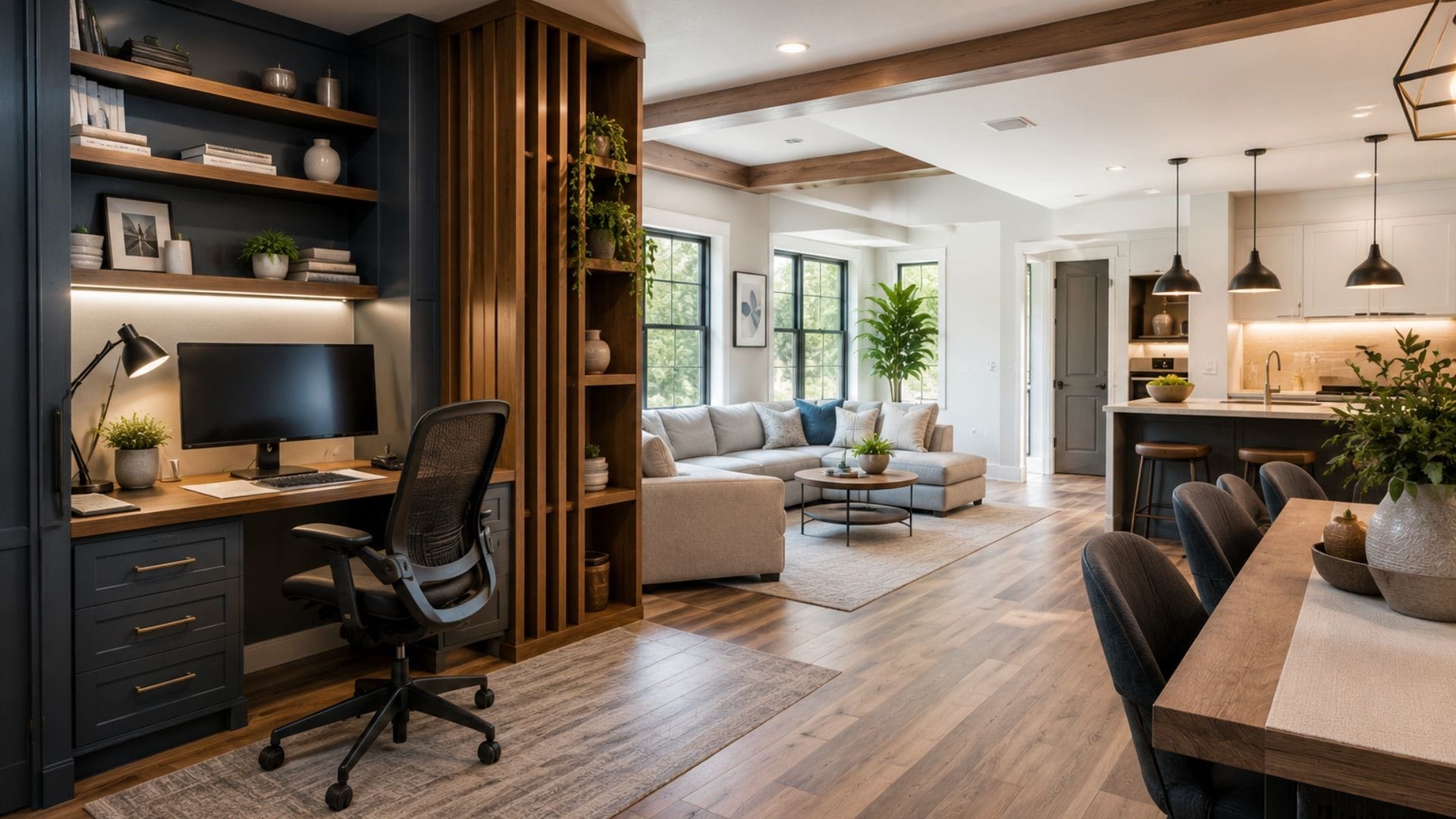
The way we live at home has changed dramatically over the last few years. Dining rooms have become offices. Guest bedrooms have transformed into meeting spaces. Kitchen counters have doubled as workstations. As lifestyles continue to evolve, more homeowners are realizing that home remodeling is no longer just about updating appearances; it’s about creating spaces that support how people actually live, work, and interact every day.
Remote work and flexible schedules have permanently reshaped expectations for residential spaces. Homes now need to serve multiple purposes simultaneously. They must support productivity, comfort, privacy, family life, and relaxation—all under one roof.
The challenge is that many homes weren’t originally designed for this level of flexibility. That’s where thoughtful remodeling comes in.
Instead of forcing modern lifestyles into outdated layouts, homeowners are redesigning spaces to work smarter, feel more comfortable, and adapt to changing needs both now and in the future.
For decades, homes followed a predictable pattern. Bedrooms were for sleeping. Living rooms were for relaxing. Dining rooms were used occasionally. Home offices were rare. Today, those boundaries have largely disappeared.
A single room may serve several functions throughout the day. A homeowner might begin the morning in a virtual meeting, transition to helping children with schoolwork, and end the day entertaining friends—all within the same space.
Unfortunately, many older layouts create challenges such as:
These issues can make even large homes feel restrictive. Modern remodeling focuses on creating flexibility instead of rigid room definitions.
One of the biggest trends in home remodeling is the creation of multi-functional rooms. Instead of dedicating entire spaces to single purposes, homeowners are designing rooms that adapt throughout the day.
Examples include:
The goal isn’t to make spaces more complicated. It’s to make them more useful. When a room can serve multiple functions effectively, homeowners gain more value from every square foot.
Working remotely sounds great until you’re trying to take a conference call from the kitchen table while household activity continues around you. That’s why dedicated workspaces have become one of the most requested remodeling upgrades.
A productive home office focuses on:
Built-in desks, custom storage, improved lighting, and sound-conscious design all contribute to a workspace that supports concentration.
And contrary to popular belief, a home office doesn’t always require a spare bedroom. Unused corners, lofts, alcoves, and underutilized rooms can often be transformed into highly functional work environments.
One of the most important principles in modern remodeling is flexibility. Life changes. Families grow. Work situations evolve. Children move out. Parents move in.
A room that serves one purpose today may need to serve another five years from now. That’s why smart home remodeling projects focus on adaptability.
Features that support flexible living include:
The best spaces aren’t designed for a single moment in time. They’re designed to evolve.
Remote work has increased the demand for connection within the home. People want spaces that allow interaction while still supporting individual activities. Open layouts help achieve that balance. By removing unnecessary walls and visual barriers, homeowners create:
An open layout allows someone to prepare lunch, supervise children, and remain engaged with household activity without feeling isolated.
The result is a home that feels more connected and more functional.
When homes take on more responsibilities, clutter tends to follow.
Work equipment → School supplies → Technology → Exercise gear → Hobby materials.
Without proper storage, flexible living quickly becomes chaotic. That’s why storage has become one of the most valuable aspects of modern remodeling.
Popular solutions include:
Good storage doesn’t just hide clutter. It allows rooms to transition smoothly between different functions.
People are spending more time at home than ever before. That means comfort matters more than it used to. Older homes often reveal weaknesses when occupied throughout the day:
Modern remodeling addresses these concerns by improving both functionality and comfort.
Upgrades may include:
When a home supports long-term comfort, productivity, and overall well-being naturally improves.
Remote work depends heavily on technology. Unfortunately, many homes weren’t designed with today’s connectivity demands in mind.
Modern remodeling often includes:
These upgrades may seem small, but they dramatically improve the daily experience of working and living from home. Technology should support your lifestyle, not create frustration.
One challenge of flexible living is balancing different needs within the same household.
One person may be working. Another may be studying. Children may be playing. Guests may be visiting.
A successful remodeling strategy creates zones that allow these activities to coexist comfortably. This doesn’t necessarily require more rooms. It requires smarter design.
Furniture placement, storage solutions, lighting, and room configuration all play important roles in creating spaces that feel both connected and functional.
Remote work has also increased appreciation for outdoor spaces. Patios, decks, and covered porches are no longer viewed as occasional-use areas. They’re becoming extensions of the home itself.
Outdoor remodeling projects often include:
These improvements create additional flexibility while improving the overall quality of life. Sometimes a change of scenery can dramatically improve focus and creativity.
Many homeowners initially view remodeling as an expense. But projects designed around functionality often deliver value in multiple ways.
Benefits include:
As buyer expectations continue to evolve, homes that support flexible living are becoming increasingly attractive in the real estate market. A well-designed remodel isn’t just an investment in the property. It’s an investment in the lifestyle it supports.
One of the biggest mistakes homeowners make is remodeling based solely on trends. The most successful projects begin with a simple question:
“How do we actually use our home every day?”
The answer often reveals opportunities that generic designs overlook.
Maybe you need:
Every household is different.
That’s why remodeling should always reflect real-life habits rather than temporary design trends. The goal isn’t to copy someone else’s home. It’s to create a home that works perfectly for you.
Remote work and flexible living have permanently changed the way people think about their homes. Spaces that once served single purposes now need to adapt to multiple roles throughout the day, and traditional layouts often struggle to keep up.
That’s why home remodeling has become less about cosmetic updates and more about creating environments that support modern lifestyles. From dedicated home offices and multi-functional rooms to smarter storage and improved comfort, thoughtful remodeling helps homeowners get more value from the space they already have.
The best part is that these improvements don’t just benefit work hours. They improve family life, daily routines, organization, and overall comfort.
Because at the end of the day, a home shouldn’t force you to adapt to its limitations. It should adapt to the way you live.