85 Mansion Blvd Parkersburg, WV 26101
E-mail us: [email protected]
MONDAY-FRIDAY 7AM - 4PM EMERGENSIES BASED ON AVAILABILITY

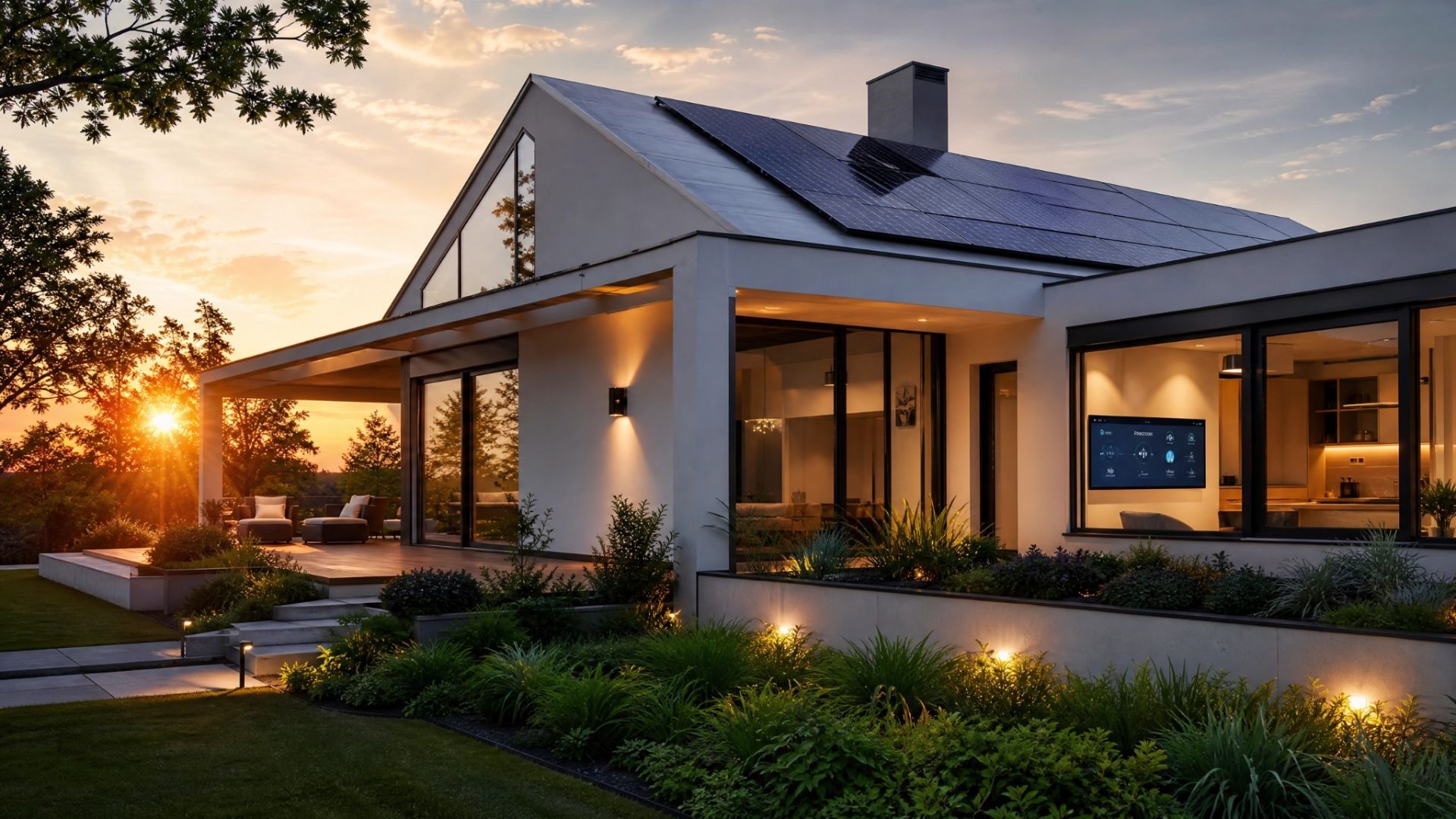
Rising utility costs are forcing homeowners to think differently about the way their homes function. Today, remodeling is no longer just about updating appearances or following design trends. More people are actively searching for remodeling ideas that cut energy bills while also improving comfort, functionality, and long-term home value. The right upgrades don’t simply reduce monthly expenses; they create homes that feel better to live in every single day.
What surprises many homeowners is how much energy gets wasted through outdated materials, inefficient layouts, poor insulation, and older systems that quietly drain money month after month.
The good news? Smart remodeling choices can dramatically improve energy efficiency without sacrificing comfort or style.
Here are 15 remodeling ideas that help lower energy bills while making your home smarter, more comfortable, and more future-ready.
Older windows are one of the biggest sources of energy loss in a home. Drafts, poor seals, and outdated glass allow heat and air conditioning to escape constantly.
Modern energy-efficient windows improve insulation, reduce temperature fluctuations, and help HVAC systems work less aggressively. They also improve indoor comfort by eliminating cold spots near windows during winter and reducing excessive heat during summer.
Many homes lose significant amounts of energy through under-insulated attics, walls, and crawl spaces.
Proper insulation helps maintain indoor temperatures year-round, keeping warm air inside during winter and outside during summer. As a result, heating and cooling systems operate more efficiently and consume less energy.
Among all remodeling ideas that cut energy bills, insulation upgrades often provide some of the fastest long-term savings.
Smart thermostats help homeowners control energy usage more efficiently by automatically adjusting temperatures based on schedules and occupancy.
Instead of heating or cooling an empty house unnecessarily, these systems optimize comfort while minimizing waste. Many homeowners are surprised by how much money they save simply by improving temperature management.
And beyond savings, smart systems make homes feel more convenient overall.
Traditional incandescent bulbs consume far more electricity than modern LED alternatives.
LED lighting:
Layered lighting design also improves efficiency by directing light exactly where it’s needed instead of over-illuminating entire rooms unnecessarily. Small lighting upgrades can create surprisingly noticeable reductions in electricity usage.
Dark interiors force homeowners to rely heavily on artificial lighting during the day.
Remodeling changes such as larger windows, open layouts, skylights, and glass doors help natural light move freely throughout the home. Brighter spaces naturally reduce electricity usage while also making rooms feel larger and more inviting.
Sometimes improving energy efficiency is simply about using daylight more intelligently.
Older appliances often consume far more energy than homeowners realize.
Modern energy-efficient refrigerators, dishwashers, ovens, and laundry systems reduce electricity and water usage while delivering better performance.
Kitchen remodeling projects provide the perfect opportunity to replace inefficient appliances with smarter, lower-consumption alternatives.
Tiny gaps around windows, doors, vents, and trim create major energy losses over time.
Conditioned air continuously escapes while outdoor air enters the home, forcing HVAC systems to work harder to maintain stable temperatures.
Air sealing may seem minor, but it’s one of the most effective remodeling ideas that cuts energy bills without requiring massive construction.
Poor airflow creates temperature imbalances and forces HVAC systems to overwork.
Modern remodeling often includes improved ventilation systems that regulate humidity, increase circulation, and stabilize indoor temperatures more effectively.
Bathrooms, kitchens, and basements especially benefit from upgraded airflow and moisture control.
A home that breathes properly simply performs better.
Your roof plays a huge role in overall energy efficiency.
Modern reflective roofing materials help reduce heat absorption during warmer months, keeping interiors cooler and lowering air conditioning costs.
Combined with proper attic insulation, roofing upgrades can significantly improve year-round efficiency.
Flooring impacts comfort more than many homeowners realize.
Certain materials help retain temperature better and improve insulation throughout the home. Options such as cork, engineered wood, and insulated flooring systems can help reduce heating demands while improving comfort underfoot.
Good flooring doesn’t just look nice; it contributes to overall energy performance.
Closed-off rooms often trap heat or create uneven airflow throughout the home.
Strategic remodeling that improves circulation helps heating and cooling systems distribute air more evenly. Open layouts also allow natural light to travel farther indoors, reducing daytime lighting needs.
A smarter layout often improves efficiency without homeowners even realizing why the space suddenly feels better.
Water heating accounts for a major portion of household energy use.
Tankless water heaters and modern high-efficiency systems reduce standby energy loss while providing hot water more efficiently.
Over time, these upgrades create noticeable savings while improving reliability and convenience.
Not every room needs the same temperature all day long.
Zoned HVAC systems allow homeowners to control temperatures in different parts of the home independently. This reduces unnecessary energy consumption while improving comfort for everyone inside the house.
It’s a smart upgrade for larger homes and multi-level layouts.
Old exterior doors often allow drafts, temperature fluctuations, and energy loss.
Modern insulated doors improve thermal performance while also enhancing security, comfort, and noise reduction.
Even relatively simple upgrades like this can have a measurable impact on monthly utility bills.
Cluttered spaces can actually interfere with airflow and HVAC efficiency.
Built-in storage solutions improve organization while helping rooms function more effectively overall. Better organization also allows homeowners to use spaces more efficiently without overcrowding them with excess furniture or temporary storage solutions.
Sometimes the smartest remodeling upgrades improve efficiency indirectly by improving how the home operates day to day.
Energy-efficient remodeling isn’t just about lowering utility bills; it’s about creating a home that performs better in every season while improving overall comfort and functionality.
The best remodeling ideas that cut energy bills often solve multiple problems at once. Better insulation improves comfort. Smarter layouts improve airflow. Efficient lighting reduces electricity usage while creating a more inviting atmosphere.
And over time, these upgrades create something every homeowner appreciates: A home that feels better, works smarter, and costs less to maintain. Because the smartest remodeling projects don’t just improve how a home looks. They improve how efficiently it supports everyday life.