85 Mansion Blvd Parkersburg, WV 26101
E-mail us: [email protected]
MONDAY-FRIDAY 7AM - 4PM EMERGENSIES BASED ON AVAILABILITY

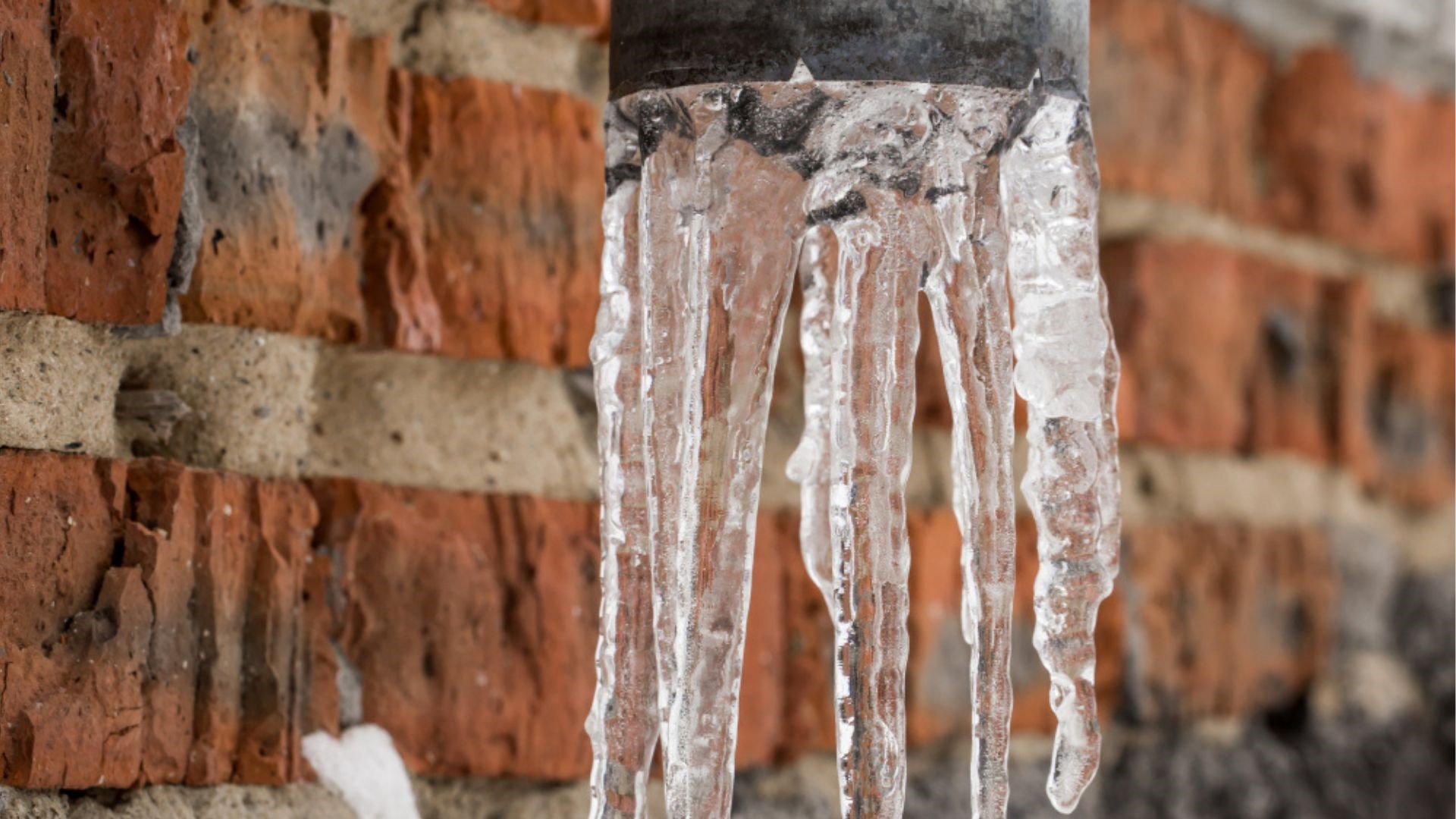
When the cold of winter sets in across West Virginia and Ohio, one of the most common and costly issues homeowners face is frozen pipes repair. While it may seem like a simple matter of a clogged faucet or slow trickle, the reality is that frozen pipes pose a serious threat of bursting, flooding, and extensive property damage. In regions where temperatures drop below freezing and homes may have vulnerable plumbing, being prepared for pipe freeze-ups is essential. In this guide, we’ll look at how to identify the warning signs of frozen pipes, what to do if they stop flowing, and how to protect your plumbing from future freeze-ups.
Both West Virginia and Ohio experience cold winter temperatures, especially in older homes with less insulation or properties where pipes run through unheated crawl spaces, basements, or exterior walls. When water in a pipe freezes, it expands. That expansion puts pressure on the pipe walls and can lead to cracks, ruptures, or complete bursts. Some particular risk factors in the WV and Ohio area include:
Knowing these risk factors helps homeowners take the right steps for frozen pipes repair.
Early detection of frozen or freezing pipes can save you major costs for frozen pipes repair. Here are key warning signs to watch for:
If you notice any of these signs, it’s important to act quickly to prevent further damage.
1. Shut Off the Water Supply
Locate your home’s main shut-off valve and turn it off immediately if you suspect a frozen or burst pipe. This step helps prevent additional water pressure and potential flooding.
2. Open the Faucet
Open the faucet served by the frozen line so that once the ice begins to melt, water can flow freely and relieve built-up pressure.
3. Thaw the Pipe Safely
Use safe heating methods such as:
Always work from the faucet end toward the frozen area to allow melted water to escape as the ice thaws.
4. Check for Damage
After thawing, inspect the pipe for cracks, leaks, or bulging. If you find damage, keep the water supply off and call a professional plumber immediately. A thawed pipe that bursts later can cause significant flooding.
5. Restore Service Carefully
If there’s no visible damage, slowly turn the water back on and monitor the system. Keep faucets open for a few minutes to ensure full water flow and confirm that no ice remains.
If you cannot locate the frozen section or detect leaks, professional assistance is the safest next step for frozen pipe repair.
In Ohio and West Virginia, freezing winters are a fact of life, so the best way to avoid the hassle of frozen pipes repair is to focus on prevention before the cold sets in.
Insulate and Heat-Protect Vulnerable Pipes
Seal Cold Air Infiltration
Circulate Warm Air and Keep Water Moving
Conduct Regular Checks
Frozen pipes repair isn’t just about inconvenience; it’s about protecting your property from extensive damage. When a pipe bursts, it can release hundreds of gallons of water in a short time, leading to:
Acting early by insulating, sealing, and monitoring your plumbing system not only saves money but also brings peace of mind during the harshest winter months.
While some homeowners may attempt DIY solutions, frozen pipes repair issues can quickly escalate if not handled properly. It’s best to call a professional plumber if:
Professionals have the tools, experience, and safety knowledge to thaw pipes efficiently and minimize damage risk. They can also inspect your system to ensure long-term protection.
In cold climates like those of West Virginia and Ohio, frozen pipes are more than a seasonal nuisance; they’re a real hazard that can lead to costly repairs. By understanding the risks, recognizing the signs early, using safe thawing methods, and investing in prevention, homeowners can protect their plumbing systems and avoid major damage.
When prevention isn’t enough and you need dependable frozen pipes repair, local experience matters. That’s where C&C Wirth Contractors enters. We have been serving the WV and Ohio region for decades, providing expert plumbing repairs, inspections, and preventive solutions tailored for harsh winters. Our team understands the unique conditions of local homes and offers quick, professional service when pipes freeze, burst, or need reinforcement.
Whether you’re preparing for winter or facing an emergency, trust C&C Wirth Contractors to handle your frozen pipe problems efficiently and safely, so your home stays warm, dry, and worry-free all season long.
Q-1. How can I recognize a frozen pipe?
Ans. You can usually spot a frozen pipe if there’s little or no water coming from a faucet, especially in colder areas of your home. Other signs include visible frost on the pipe’s exterior, strange noises like creaking or popping when the water is turned on, and unusually cold spots on walls or floors. If you notice these warning signs, act quickly to thaw the pipe safely or call a plumber for frozen pipes repair.
Q-2. What should I do if I discover a frozen pipe?
Ans. If you suspect a pipe is frozen, turn off your home’s main water supply immediately to prevent pressure buildup. Open nearby faucets and gently warm the frozen section using a hair dryer, heating pad, or warm towels, never an open flame.
Q-3. When should I call a professional for frozen pipe repair?
Ans. You should call a professional plumber if you cannot locate the frozen pipe, if the pipe is hidden behind walls, or if there’s any sign of leaking or bursting. Experts like C&C Wirth Contractors have the tools and expertise to thaw pipes safely, repair damaged sections, and help prevent future freezing.