85 Mansion Blvd Parkersburg, WV 26101
E-mail us: [email protected]
MONDAY-FRIDAY 7AM - 4PM EMERGENSIES BASED ON AVAILABILITY

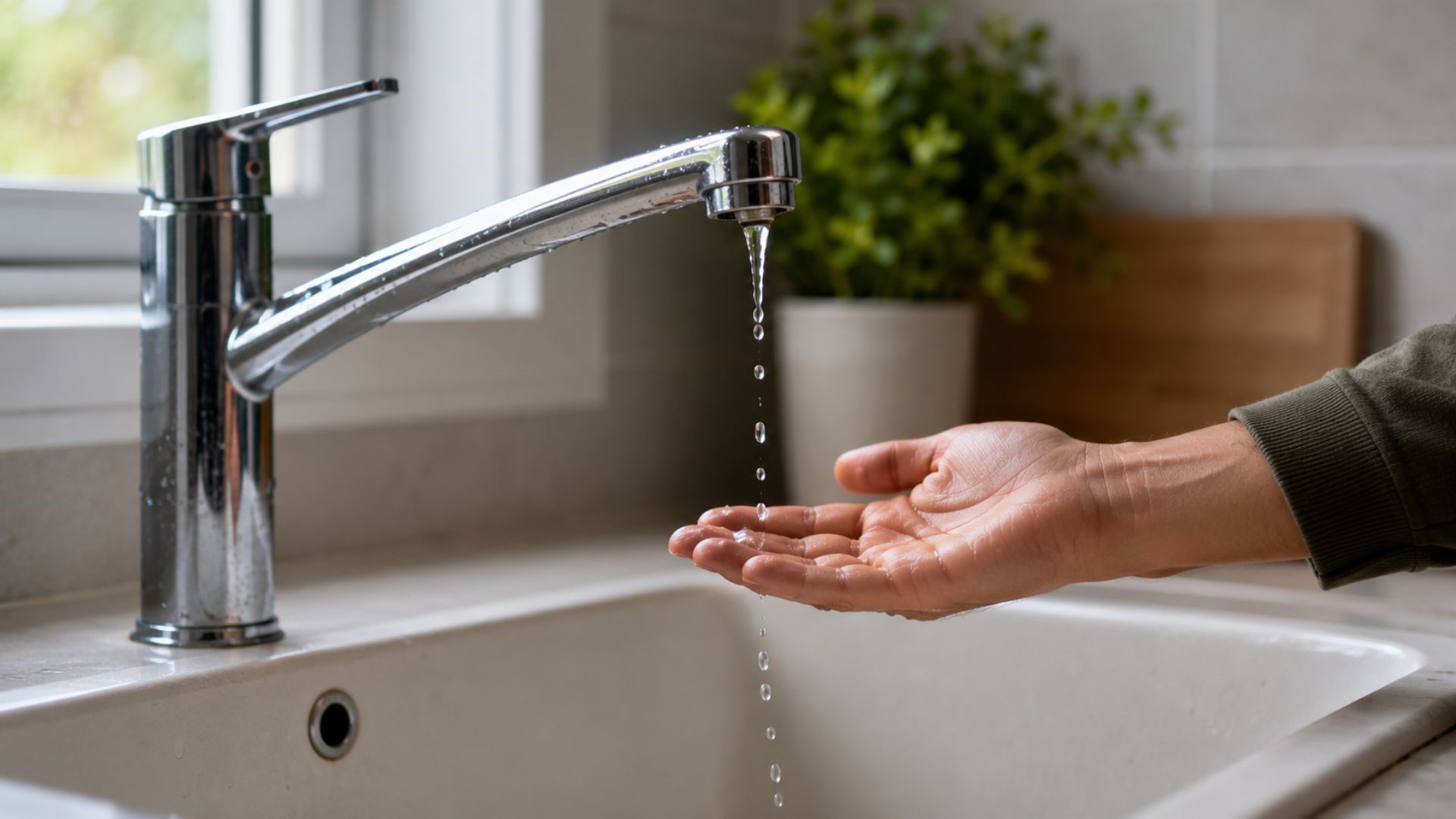
If you are asking, “Why is my water pressure low in West Virginia?”, the answer may be as simple as a clogged faucet aerator or as serious as a hidden leak, failing pressure regulator, aging pipes, or a local water-main issue. Low water pressure can make showers weak, appliances slow to fill, and everyday tasks frustrating. The key is determining whether the problem affects one fixture, one part of the house, or your entire water supply.
This homeowner guide explains the most common causes of low water pressure in West Virginia, safe first checks to make, and when it is time to call a licensed plumber.
Before assuming there is a major plumbing problem, test a few fixtures:
This simple troubleshooting step can quickly narrow the cause when you are wondering why is my water pressure low in West Virginia.
| What you notice | Possible cause |
| Low pressure at one faucet | Clogged aerator, faucet cartridge, or local shutoff valve |
| Weak pressure only in the shower | Mineral buildup in the showerhead or a worn mixing valve |
| Low hot-water pressure only | Water-heater valve, sediment, or hot-water pipe issue |
| Low pressure throughout the house | Main valve, pressure regulator, hidden leak, corroded pipes, or utility issue |
| Sudden pressure loss across the neighbourhood | Water-main repair, local outage, or utility-side issue |
A normal residential water-pressure range is commonly around 45-80 psi; consistently below 40 psi is generally considered low.
If only one sink or shower has low pressure, the most likely cause is mineral or sediment buildup in the fixture.
Faucet aerators and showerheads contain small screens that can collect debris over time. This is especially common after water-main work, plumbing repairs, or changes in the municipal water system.
What can you do?
For a showerhead, remove it if possible, rinse the screen, and soak the head in vinegar according to the manufacturer’s care instructions. If cleaning does not solve the problem, the issue may be inside the faucet cartridge, supply line, or shutoff valve.
A partly closed valve can restrict water flow throughout the home. This may happen after a plumbing repair, a water-heater replacement, a renovation, or a utility-related service visit.
Most homes have two important water-control points:
What to check:
Look for the main shutoff valve near the water meter, basement wall, crawlspace, utility room, or where the main water line enters the property.
Do not force a seized or corroded valve. Older valves can break, leak, or fail when manipulated. If you are uncertain, contact a licensed plumbing professional.
Some homes have a pressure regulator, also called a pressure-reducing valve, installed on the main water line. Its purpose is to keep incoming pressure at a safe level for household plumbing.
When this device fails, homeowners may experience:
A plumber can test the pressure with a gauge, inspect the regulator, and determine whether adjustment or replacement is appropriate. Do not turn adjustment screws randomly, as excessive pressure can contribute to leaks and damage fixtures or appliances.
A leak can reduce available water pressure, especially if it is on the main line or inside a wall, floor, crawlspace, or slab. Not all leaks are immediately visible.
Warning signs of a hidden leak
If you suspect a leak, turn off the water to the home if necessary to limit damage and call a plumber promptly. A professional can use leak-detection methods to locate the issue without unnecessary demolition.
Many older homes in West Virginia have plumbing systems with aging galvanized steel, cast iron, or other older pipe materials. Over time, corrosion and mineral buildup can reduce the interior diameter of pipes, restricting water flow.
This may cause:
A plumber can inspect the plumbing system and recommend targeted repair, partial repiping, or whole-home repiping based on the condition and material of the lines.
For major plumbing modifications, permit and inspection requirements may apply. West Virginia plumbing guidance notes that permitting is commonly required for new construction, system modifications, and fixture replacement in many jurisdictions. Confirm requirements with your local building authority before beginning a major project.
If cold water pressure is normal but hot water flow is weak, the problem may be related to the water heater or hot-water piping. Possible causes include:
Avoid opening or servicing a water heater unless you understand the manufacturer’s procedures and safety requirements. Water heaters involve hot water, pressure, electricity, or gas, and may require professional service.
Sometimes the plumbing inside your home is not the cause at all. Local utility construction, water-main repairs, hydrant flushing, or a main break can temporarily reduce pressure for an entire street or neighbourhood.
This is especially relevant in parts of West Virginia where aging infrastructure is being replaced. For example, West Virginia American Water announced an August 2026 project in Fayetteville to replace 860 feet of aging pipe on Lakota Road. Customers may experience temporary interruptions, discoloured water, or lower-than-normal pressure during construction.
What to do
If low pressure starts suddenly and affects several homes, the utility should be your first call.
Low pressure may be temporary when several fixtures and appliances run at once. For example, pressure may drop when someone is:
This may be more noticeable in households with older or undersized plumbing lines. Try reducing simultaneous water use and note whether pressure improves. If poor pressure is a constant problem, a plumber can assess pipe sizing, fixture demand, and the home’s water-distribution system.
What Not to Do
Avoid quick fixes that create bigger problems:
West Virginia regulates plumbing contractors through its Plumbing, Heating, Cooling, and Refrigeration Contractors Licensing Board, and consumers can verify licensing and certification resources through the West Virginia Division of Labor.
After following all the solutions, if you are still wondering why is my water pressure low in West Virginia, it is time to contact a professional plumber:
A licensed plumber can test water pressure, inspect plumbing lines, identify leaks, and recommend a repair that addresses the cause, not just the symptom.
Figuring out why is my water pressure low in West Virginia is frustrating, but it is often solvable once you identify where the issue begins. Start by testing multiple fixtures, checking for utility alerts, and cleaning accessible aerators. If the problem affects the entire home, appears suddenly, or comes with signs of leaks or water damage, call a qualified West Virginia plumber without delay.
Need help restoring steady water pressure? Contact C&C Wirth Contractors in West Virginia today to schedule a professional plumbing inspection, leak assessment, or water-pressure diagnosis in your area.