85 Mansion Blvd Parkersburg, WV 26101
E-mail us: [email protected]
MONDAY-FRIDAY 7AM - 4PM EMERGENSIES BASED ON AVAILABILITY

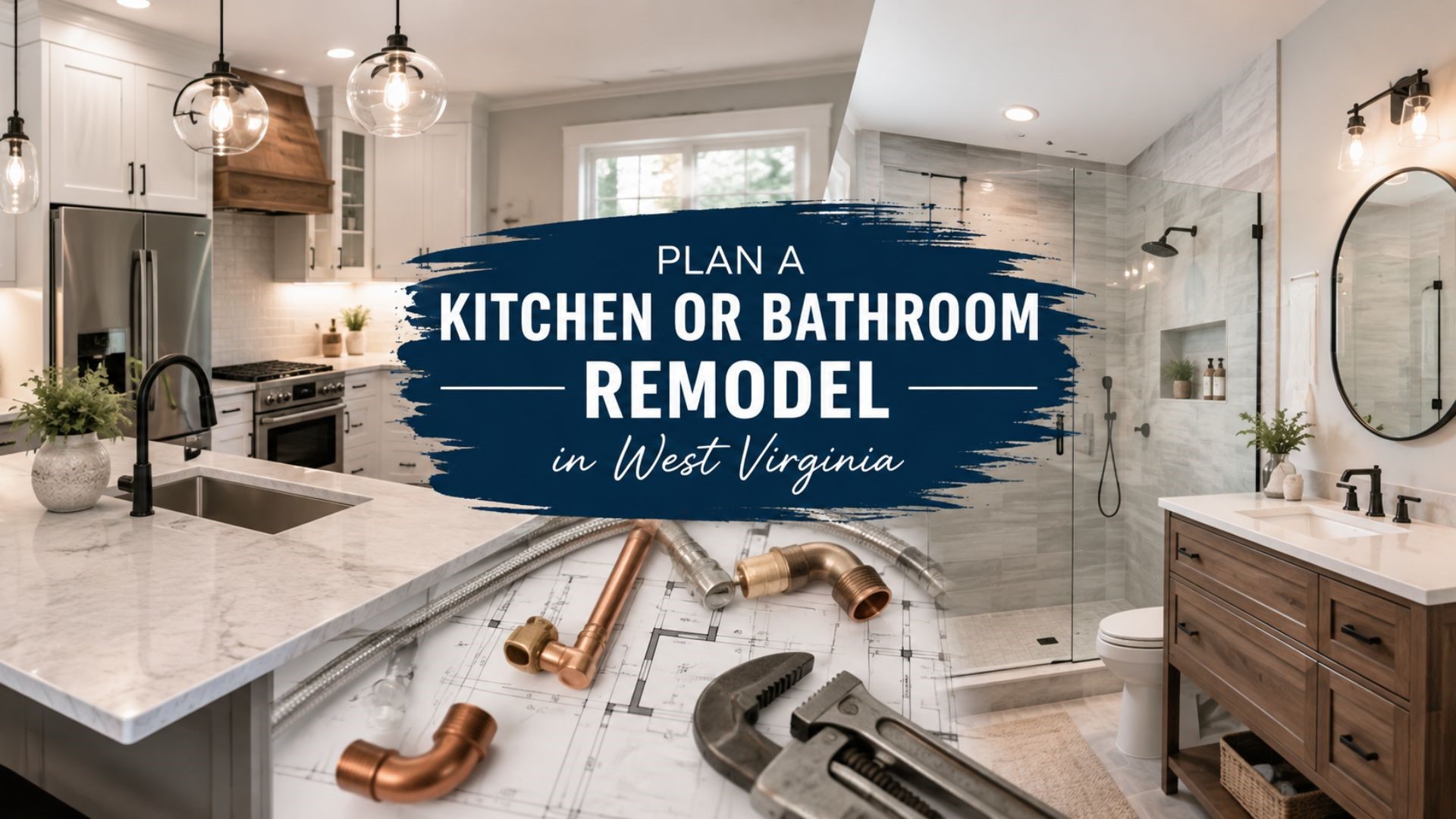
When planning a kitchen or bathroom remodel in West Virginia, homeowners should not focus on just cabinet styles, countertop materials, or fixture finishes. In older West Virginia homes, one important issue is usually plumbing and drainage upgrades. Many homes built before 1980 in West Virginia still have original plumbing layouts, galvanized pipes, cast iron drains, or inadequate venting that may not support modern fixtures and appliances. Ignoring these issues during a remodel can lead to slow drains, frequent clogs, water damage, and expensive repairs later.
This blog post explains why drainage upgrades are so important for kitchens and bathroom remodels in West Virginia and what kind of things homeowners should address.
Kitchen Remodel West Virginia: Plumbing and Drainage Considerations
A kitchen remodel in West Virginia often requires more than just an aesthetic upgrade. Modern appliances demand increased water flow, improved drainage capacities, and proper venting.
Many older homes have galvanized or copper supply lines that can be undersized or corroded. During your kitchen remodeling in West Virginia, consider:
Modern dishwashers, garbage disposals, and larger sinks demand bigger drain lines:
Incorrect venting can lead to slow drains and unpleasant sewer gas odors:
Your kitchen remodel in West Virginia should include provisions for any built-in appliances:
Bathrooms are the most plumbing-intensive rooms in any home. When remodeling an older bathroom in West Virginia, you’ll often find drainage capacity issues that need to be addressed.
Older homes often have 3-inch toilet drain lines, while codes now require 4-inch lines:
Many older drain lines don’t have the proper slope to allow smooth water flow:
Inadequate venting causes slow drains, gurgling toilets, and unpleasant sewer gas odors:
Modern showers and tubs require larger drains to handle the increased water flow:
The best time to upgrade plumbing and drainage is while walls and floors are open during home remodeling. Once drywall is up and tile is laid, it becomes an expensive and destructive endeavor.
Essential Drainage Upgrades
While your existing pipes may appear to be in good condition, corrosion is typically occurring on the inside of galvanized steel pipes, and pinhole leaks can occur in copper piping. PEX offers improved freeze resistance and is much easier to install than traditional copper.
For new installations or replacements, the following drain line sizes are recommended:
All fixtures must have proper venting within the code-specified distance. Wet venting for multiple fixtures must follow particular size guidelines. If fixtures are being relocated and existing vent stacks are not in the proper location, consider new vent stacks during your remodeling project.
Make sure there are cleanouts on accessible sides of walls and not tucked behind cabinets. Test tees can be installed temporarily in the pipes to check for proper flow, then capped or permanently replaced during final rough-ins with cleanouts for future maintenance access.
Before walls and floors are closed up, a camera inspection of the main sewer line can reveal cracks, bellies, or root intrusion that may require repair before they cause serious problems. Do not wait until your West Virginia kitchen remodel or bathroom remodel is complete to address these issues.
Consider installing a backwater valve if sewer backups are a problem in your area.
If you are remodeling an older West Virginia home, you may find that cold water pressure is lower than expected, especially in older homes with corroded galvanized pipes.
Most homeowners are surprised to learn that plumbing work in West Virginia requires permits for many types of work, including:
Permits ensure that work is done to code and provide valuable documentation if you later sell your home or need plumbing-related insurance claims. Always hire licensed plumbers to handle drainage upgrades and plumbing work during your kitchen remodel in West Virginia or bathroom remodel.
Home remodeling projects do not always require upgrading or replacing the entire plumbing system. However, if you see the following signs during the demolition phase, you may want to consider a professional plumbing inspection:
Call a licensed plumber to inspect and recommend upgrades if you find cast iron drains with rust spots or if you have consistently low water pressure (under 40 PSI). You should also consult a plumber if your drains are frequently gurgling or backing up, if you are relocating plumbing fixtures, or if you are remodeling a home with original galvanized steel plumbing.
Here’s a quick plumbing and drainage checklist for your kitchen or bathroom remodeling project:
A successful kitchen or bathroom remodel in West Virginia needs more than aesthetics. It also requires solid plumbing and proper drainage upgrades that can last for decades. In older West Virginia homes, dealing with these issues during remodeling helps prevent expensive repairs later and protect the overall investment.
C&C Wirth Contractors has more than decades of experience helping West Virginia homeowners plan and complete kitchen and bathroom remodels designed for everyday use. From plumbing assessments and drainage upgrades to fixture installation and fibre inspections, the company coordinates each part of the project with quality and long-term durability in mind.
Ready to start your kitchen or bathroom remodel?
Contact C&C Wirth Contractors today for a complimentary consultation. We’ll assess your plumbing, identify necessary upgrades, and build a plan that protects your home and your budget for years to come.