Parkersburg W.V. 26101
E-mail us: [email protected]
MONDAY-FRIDAY 7AM - 4PM EMERGENSIES BASED ON AVAILABILITY

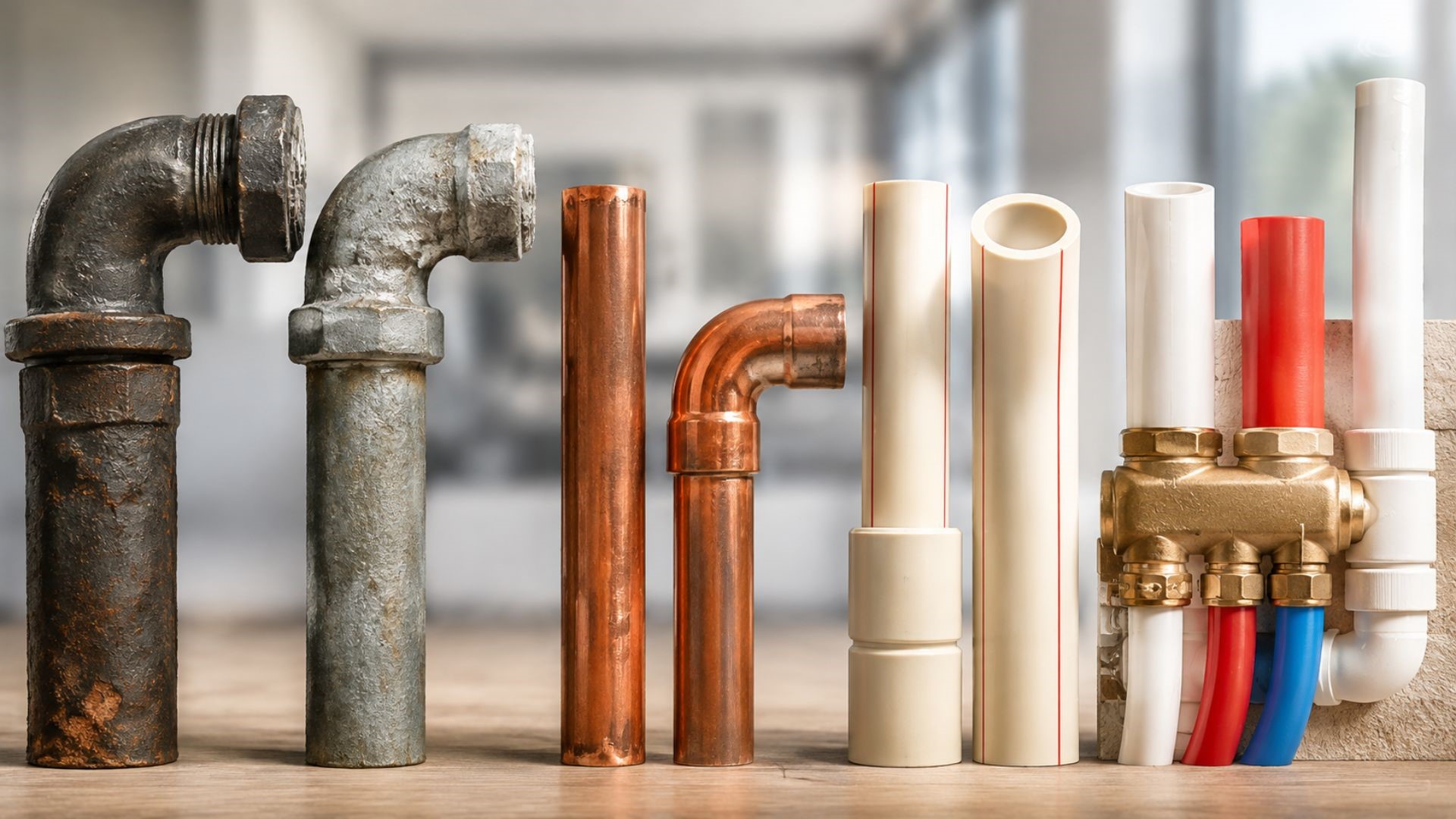
50 years ago, the pipes running through most homes were made of materials that seemed perfectly reasonable at that time. Years later, those materials turned out to be toxic, prone to rust, or problematic in ways that people only fully understood years afterwards. Residential plumbing materials have changed quite a lot in the last 50 years. Many of those changes go beyond new inventions but focus more on correcting past mistakes. Lead pipes were the standard choice for homes until the middle of the 20th century. Later, galvanized steel was introduced as a safer option, but it eventually rusted from the inside over time. Next came Copper, then plastic materials, then a whole argument about which plastic was the best. The history of plumbing materials is basically the story of the industry learning lessons the hard way.
Over the last five decades, each generation of residential plumbing introduced something to solve the shortcomings of the last. Some became industry standards while others disappeared as quickly as they arrived. This blog post follows that evolution and explains why today’s plumbing systems look very different from 50 years ago.
Walk into a newly built home, and it is unlikely that you will see thick metal pipes. Most modern homes use lighter plastic water lines, flexible pipe runs, and neatly tied manifolds hidden behind the drywall. But step back fifty years and residential plumbing looked very different.
In the mid-century, builders focused on durability. The expectation was that plumbing would be made from materials that would last for decades and resist the forces of nature. It took more effort to install, required more skill, and involved exponentially more labor, but that was considered par for the course.
For most of the twentieth century, galvanized steel pipes were the standard for residential water supply lines.
These pipes were made from steel that had been coated in zinc to prevent rust. This process helped prolong the life of the metal significantly, although it was not considered impervious to decay. Galvanized pipes were a huge step up from their steel predecessors and quickly became staple fixtures in American homes.
Most galvanized pipes lasted for decades, but rarely did they last for centuries. The gradual oxidation of the zinc coating eventually wore off, exposing the vulnerable steel underneath.
The next stage in the pipe’s decay occurred when this exposed metal started to rust, clog, and narrow the diameter of the tubing. Meanwhile, the minerals that naturally occur in water began to collect inside the rough galvanized steel, restricting the water flow even further.
As the 1960s and 1970s rolled around, copper became the new favorite material for residential water supply pipes.
Compared to galvanized steel, copper was significantly superior. It did not corrode nearly as easily and provided a much smoother internal surface for the water to flow over. This meant that copper could maintain water pressure for much longer and resist the natural buildup that occurred with steel plumbing. Additionally, copper was incredibly durable, usually lasting at least fifty years before needing replacement.
As the twenty-first century approached, residential construction as a whole went through a major transformation. Houses got bigger, construction timelines got shorter, and materials became more exotic. Labor costs increased, and people wanted to get more out of their hard-earned money. The plumbing industry saw some of the same pressures.
Steel pipes were great, but they required more effort to work with, were heavier to transport, and generally placed higher demands on installers. It became apparent that another material was needed for the demands of modern construction. That is how plastic plumbing pipes came to be.
Unlike steel, plastic did not corrode.
One of the first plastics to gain popularity with plumbers was polyvinyl chloride (PVC). Rather than being used for water supply lines, this type of plastic was gradually pushed into residential drainage systems. This was a major milestone for the plumbing industry.
PVC quickly became a preferred choice among plumbers because it resisted corrosion and worked well with both waste and water. The smooth walls of the PVC pipes prevented the accumulation of gunk and grime on the internal surface of the tubing. Furthermore, PVC was much lighter than cast iron, more accessible, and much more convenient to work with compared to its metal counterparts.
Finally, the installation process was much faster. The time-consuming and tedious steps of connecting cast iron pipes with special connectors and molten lead were replaced with a simple solvent and cement mixture.
While PVC steadily climbed the ranks of the plumbing world, another plastic was about to enter the scene. At the end of the 1970s and throughout the 1980s, polybutylene pipes saw a sudden rise in popularity among plumbers and homeowners alike. These were very flexible and lightweight pipes that could be easily used in a variety of jobs.
One of the key factors that contributed to the popularity of polybutylene was its low price. Contractors and homeowners could save significantly on material costs without having to sacrifice much in terms of performance. The ease of use and affordability of the plastic pipes made them great for the booming construction market.
By the late 1990s and early 2000s, plumbing manufacturers had extensive experience with galvanized steel, copper, and plastic pipes. This allowed them to learn from the predecessors’ strengths and weaknesses and develop plumbing materials that addressed all of the previous concerns.
Modern plumbing manufacturers focused on creating products that were:
Rather than using one material to construct entire plumbing systems, residential builders and contractors had turned to multiple materials that had specific applications.
While PVC plumbing had gained tremendous popularity among plumbers over the last several decades, its usefulness was severely limited to cold water supply lines. One of the materials that came to fill this gap was CPVC, or chlorinated polyvinyl chloride. This product was similar to its predecessor, PVC, but it could handle significantly higher temperatures without deforming.
Some of the main advantages of CPVC included:
CPVC became very useful for residential applications as it could provide an affordable option to copper plumbing. This material was especially popular for water distribution and hot water lines.
CPVC is usually applied in:
Although there are newer materials today, CPVC is still widely used across North America in a variety of applications.
Of all the modern plumbing materials, PEX has arguably had the biggest impact on the residential construction space. Unlike standard rigid pipes, PEX offered flexibility and versatility. This seemingly simple innovation resulted in a major transformation in the plumbing world.
Traditional plumbing work required the use of many fittings, elbows, and soldered connections. PEX significantly simplified the job by reducing the number of fittings needed per installation.
The flexibility of PEX allowed a single length of tubing to reach around objects, eliminating the need to cut and waste additional pieces. This resulted in a faster, easier, and more cost-effective way to complete the plumbing work. Furthermore, it became much simpler to perform repairs or rearrange the system in the future.
PEX systems offer several practical benefits.
Flexibility of the material
Fewer fittings and connections
Faster rough-in
Easier remodeling
Less material waste
Freeze resistance and improved flow capacity.
Smooth interior surface of the tubing
Resistance to corrosion
Quicker
Easier service and repairs
Ability to expand the system
Connectivity to other systems
Older plumbing systems were built around rigid pipes. PEX fundamentally changed the dynamics of the work by introducing flexibility into the system. This eliminated the need for multiple fittings and elbows, allowing the plumber to simply snake the PEX tubing around objects wherever necessary. The versatility of PEX also made renovations and adjustments much easier. It became much simpler to reconfigure an entire system, such as installing a new bathroom. This eliminated many of the limitations of rigid plumbing.
One of the biggest misconceptions about modern plumbing is that all homes are built with PEX. While PEX has become extremely popular, other materials serve a variety of unique purposes.
Here is a breakdown of some of the materials that can be found in a single plumbing system:
| Material | Common Use |
| PEX | Water supply |
| Copper | Water heater connections and specialty applications |
| PVC | Drain, waste, and vent |
| ABS | Drainage in some regions |
| CPVC | Hot and cold water distribution |
| Brass | Valves and fittings |
| Stainless Steel | Flexible connectors |
Modern plumbing systems contain a variety of advanced technologies and processes that were not available half a century ago.
Newer homes tend to feature improved plumbing fixtures. Many modern fixtures use much less water than their predecessors while still delivering excellent performance. Some examples of these water-efficient fixtures include:
Modern pressure-reducing valves, expansion tanks, and pressure-regulating shower valves help optimize water pressure throughout the home. The improved fixtures and valves also contribute to the overall longevity of the plumbing system.
Another leap forward in modern plumbing technology is smarter leak detection. Many of the innovative features of these systems are related to the monitoring and detection of plumbing leaks, including:
These technologies help reduce the damage that can occur from a plumbing leak by alerting residents to the issue long before it becomes an emergency.
When it comes to older homes, it is important to understand that most plumbing renovations are not as simple as replacing all the old pipes. Sometimes, it is crucial to get to know your pipes first. This is especially true if you are living in a house that has been around for decades and might have a wide variety of materials.
If your house has plumbing that is several decades old, here are a few things that you should take into consideration:
By knowing this information, you will be able to make a much more informed decision about the future of your plumbing system.
During a renovation, it is not uncommon to open up a wall and discover plumbing that has been hidden for decades. This is a great opportunity to learn more about your plumbing and possibly renovate it at the same time. Here are some of the major advantages of having access to your pipes:
Of course, not every part of the plumbing system has to be replaced. Your renovation is also a great opportunity to learn more about your pipes and their capabilities. This knowledge will come in handy if you want to make changes to your plumbing system in the future.
The future of residential plumbing continues to evolve. The focus of most modern plumbing manufacturers has shifted from creating new materials to optimizing the performance, sustainability, and monitoring of existing ones.
Some of the current trends in residential plumbing include:
As the residential construction space continues to change and adapt, so will plumbing systems. As homes become increasingly integrated and automated, plumbing will also become much more intelligent and sophisticated.
The biggest change in residential plumbing was the industry’s gradual shift toward systems that are easy to install, more rust-resistant, better suited to today’s water conditions, and simpler to maintain throughout the life of the home.
Contact C&C Wirth Contractors if you need plumbing work for your home with corrosion-resistant systems for long-term performance. From repairs and replacements to full system upgrades, our team helps homeowners across the area move away from outdated materials and towards long-term solutions.
PEX is the standard when it comes to residential water supply lines. It is much more flexible, durable, and quicker to install than traditional materials. For drainage, PEX is often replaced with plastic options such as PVC and ABS.
Copper has a considerably long lifespan, often lasting more than fifty years. However, there are a variety of external factors that can affect the longevity of the plumbing system.
Many older homes continue to use galvanized pipes without any major issues. However, some of these pipes can begin to corrode and lose pressure over time. Every situation is different, so it is best to consult a professional plumber.
Unfortunately, polybutylene begins to degrade when exposed to certain water disinfectants, so it is no longer a viable option. This means that any pipes made from this material are likely to develop leaks sooner or later.
PEX is a great choice for most jobs because of its flexibility and durability. However, it is not always superior to other materials. In some cases, copper pipes might be a more appropriate choice. It ultimately depends on the job at hand.
During a renovation, it is possible to connect many different materials. Most types of PEX can be connected to copper pipes, for instance. This allows for much more flexibility when working with older plumbing systems.
Your plumber can help you identify the type of pipes in your house. If you suspect that your system uses a particular type of material, you might be able to confirm this by looking at the exposed piping near the water heater, basement, or crawl space.
It is not always necessary to replace old pipes. If your existing plumbing is in decent condition, there is no need to replace it immediately. However, a renovation is often a great opportunity to update your system and reduce the risk of future problems.